Houses for sale in Florida are a gateway to sunshine, diverse landscapes, and a vibrant lifestyle. This guide is meticulously crafted to provide a thorough exploration of what makes Florida real estate a compelling choice for a wide range of buyers. From understanding the unique characteristics of its distinct regions to navigating the intricacies of the current market and the purchasing process, we aim to equip you with the knowledge needed to make informed decisions.
Prepare to discover the opportunities and considerations that await you in the Sunshine State’s dynamic property market.
This comprehensive overview delves into the multifaceted world of Florida real estate, offering insights into regional appeal, market trends, and the practicalities of acquisition. We will explore the financial landscape, essential steps for buyers, and the various property types available, all while highlighting the amenities and lifestyle factors that draw people to this popular destination. Our aim is to present a clear, actionable, and engaging perspective on finding your ideal home in Florida.
Discover the diverse housing landscapes across Florida’s distinct regions and their unique appeal to potential homeowners.
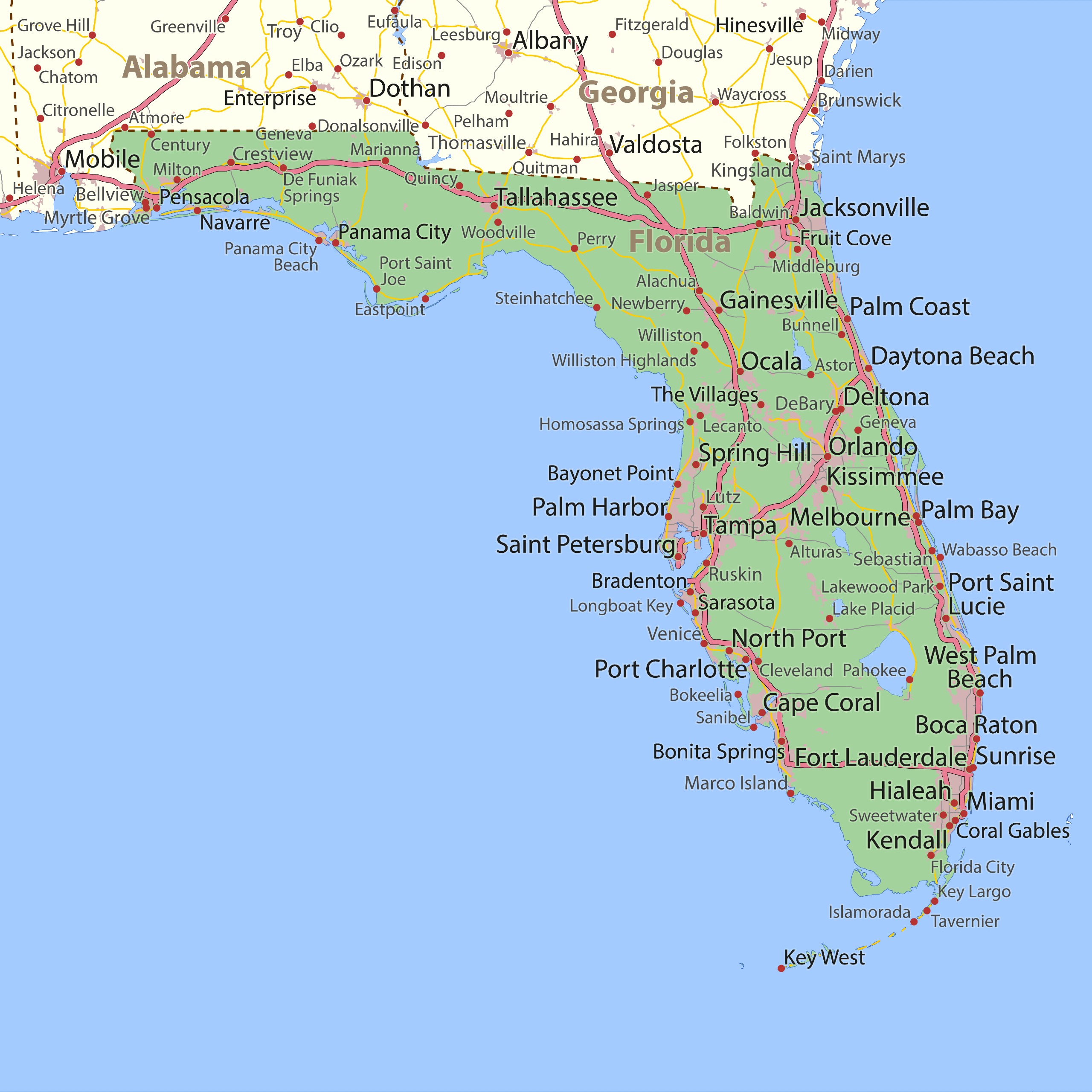
Florida, often synonymous with sunshine and retirement, offers a remarkably diverse real estate market. Beyond the postcard images of pristine beaches and theme parks, the state’s unique geography has fostered distinct regional identities, each with its own allure for property buyers. Understanding these differences is crucial for anyone looking to invest in or relocate to the Sunshine State. From the vibrant energy of its southern tip to the laid-back charm of its panhandle, Florida’s housing market is a tapestry woven with varied lifestyles, economic drivers, and environmental features.
This exploration delves into the unique characteristics of its major regions, the typical offerings, and the architectural styles that define its residential character.
Geographical and Lifestyle Characteristics of Florida’s Regions
Florida’s expansive coastline and varied interior have shaped three primary housing landscapes, each catering to distinct preferences and lifestyles.South Florida, encompassing areas like Miami-Dade, Broward, and Palm Beach counties, is characterized by its tropical climate, international flair, and a dynamic urban energy. It’s a hub for finance, fashion, and a vibrant arts scene, attracting a diverse population of professionals, retirees, and international investors.
The lifestyle here is often fast-paced, with a strong emphasis on outdoor activities, world-class dining, and a lively nightlife. Proximity to the Atlantic Ocean means beach access is a major draw, offering a constant connection to the water. The region also boasts a rich cultural tapestry, influenced by Latin American and Caribbean communities, which is reflected in its cuisine, music, and festivals.Central Florida, often considered the heart of the state, is anchored by the Orlando metropolitan area and its world-renowned theme parks.
This region offers a more family-centric lifestyle, with abundant entertainment options, numerous lakes, and a burgeoning tech and healthcare industry. Beyond the tourist attractions, Central Florida provides a more suburban feel in many areas, with a strong emphasis on community and family-friendly amenities. The climate is warm year-round, though it experiences more distinct rainy seasons than South Florida. The presence of major universities also contributes to a youthful and dynamic population, fostering innovation and growth.The Florida Panhandle, stretching along the Gulf of Mexico, presents a more relaxed and traditional Southern charm.
Its coastline is known for its sugar-white sand beaches and emerald waters, offering a more tranquil and nature-focused lifestyle. Cities like Pensacola, Destin, and Tallahassee each have their unique character, with Tallahassee serving as the state capital and a center for government and education. The Panhandle appeals to those seeking a slower pace of life, with a strong sense of community and a deep connection to the outdoors, including fishing, boating, and exploring natural reserves.
The architecture here often reflects a more traditional Southern aesthetic, with a focus on comfort and natural materials.
Typical Price Ranges and Property Types by Florida Region, Houses for sale in florida
The cost of real estate and the types of properties available in Florida vary significantly across its distinct regions, influenced by factors such as desirability, proximity to amenities, and economic activity.In South Florida, property prices are generally the highest in the state. This is driven by high demand, limited developable land, and the region’s status as a global destination.
- Luxury Condominiums: High-rise buildings along the coast in cities like Miami, Fort Lauderdale, and Boca Raton are common, offering stunning ocean views and premium amenities. Prices can range from $500,000 for a modest unit to upwards of $5 million or more for penthouses and waterfront properties.
- Single-Family Homes: In affluent enclaves and gated communities, sprawling estates and waterfront mansions can command prices from $1 million to tens of millions of dollars. More modest single-family homes in established neighborhoods might start around $400,000 to $600,000.
- Townhouses and Villas: These offer a middle ground, often found in master-planned communities, with prices typically ranging from $300,000 to $800,000.
Central Florida offers a more diverse price spectrum, with Orlando and its surrounding suburbs providing a range of options.
- Single-Family Homes: This is the dominant property type, catering to families. Prices in desirable neighborhoods, particularly those close to good schools and attractions, can range from $300,000 to $700,000. Starter homes can be found in the $250,000 to $350,000 range.
- Condominiums and Townhouses: These are popular for investors and those seeking a lower-maintenance lifestyle, with prices generally from $200,000 to $450,000.
- Vacation Homes: The abundance of theme parks makes Central Florida a prime market for vacation rental properties, with prices varying widely based on size, proximity to attractions, and amenities, often ranging from $300,000 to $1 million.
The Florida Panhandle generally presents more affordable real estate options compared to South Florida, though popular coastal towns can have higher price points.
- Single-Family Homes: Beachfront properties in areas like Destin and 30A can be very expensive, with prices easily exceeding $1 million for prime locations. However, inland or slightly further from the coast, single-family homes can be found in the $250,000 to $500,000 range.
- Condominiums and Townhouses: These are popular for vacation rentals and second homes, particularly along the coast. Prices can range from $200,000 to $600,000, with waterfront units commanding a premium.
- Beach Cottages: Quaint, smaller homes closer to the beach offer a more accessible entry point into coastal living, often priced between $400,000 and $800,000.
Factors such as proximity to major attractions (like theme parks in Central Florida or world-class beaches in South Florida and the Panhandle), access to urban centers, and the presence of desirable amenities significantly influence these price ranges and property types.
Popular Architectural Styles and Community Features in Florida
Florida’s residential architecture and community design are deeply influenced by its climate, history, and lifestyle preferences, resulting in distinct visual and experiential characteristics across its regions.In South Florida, the architecture often embraces a tropical modern aesthetic, emphasizing open spaces, natural light, and a seamless transition between indoor and outdoor living.
- Mediterranean Revival: This style, with its stucco exteriors, red-tile roofs, arched windows, and wrought-iron details, is prevalent in older, established neighborhoods and luxury developments, evoking a sense of timeless elegance.
- Modern Tropical: Characterized by clean lines, flat roofs, large expanses of glass, and the use of natural materials like wood and stone, this style maximizes natural ventilation and integrates with lush landscaping.
- Bungalows: Especially in areas like Miami Beach’s historic districts, charming bungalows with their low-pitched roofs, wide porches, and compact layouts offer a more intimate and classic coastal feel.
Community features in South Florida often include private docks, boat slips, resort-style swimming pools, and exclusive clubhouses, reflecting the affluent and active lifestyle of its residents. Gated communities are very common, offering security and privacy.Central Florida showcases a blend of styles, often leaning towards family-friendly and practical designs, while also incorporating elements that celebrate the state’s natural beauty.
- Craftsman: This style, with its emphasis on natural materials, exposed rafters, and substantial porches supported by tapered columns, is popular for its cozy and artisanal appeal.
- Florida Ranch: A practical and widespread style, featuring single-story living, simple rectangular layouts, and often a screened-in lanai or patio, designed for comfort in the warm climate.
- Coastal/Key West: In areas closer to lakes or canals, or even in master-planned communities aiming for a vacation feel, elements of Key West style—such as brightly colored exteriors, metal roofs, and elevated foundations—are incorporated.
Central Florida communities are frequently designed around shared amenities like community pools, playgrounds, walking trails, and often feature home owner’s associations that maintain common areas and enforce neighborhood standards, fostering a strong sense of belonging for families.The Florida Panhandle often exhibits architectural styles that echo traditional Southern charm and a relaxed coastal vibe.
- Low Country/Southern Vernacular: This style features raised foundations to protect against potential flooding, wide verandas, and often clapboard siding, emphasizing a connection to the landscape and a comfortable, breezy living experience.
- Coastal Cottages: Smaller, often brightly colored homes with tin roofs and ample porch space are characteristic of beach towns, designed for casual living and maximizing ocean views.
- Victorian: In historic downtown areas of cities like Pensacola, well-preserved Victorian homes with their intricate details, steep gables, and wrap-around porches add a touch of historic grandeur.
Community features in the Panhandle often revolve around natural beauty and outdoor recreation. Neighborhoods might offer access to private beaches, fishing piers, boat ramps, and extensive park systems. Many communities are designed with an emphasis on preserving the natural environment, incorporating mature trees and green spaces, contributing to a serene and unhurried atmosphere.
Explore the current market dynamics influencing the availability and pricing of residences in Florida.
:max_bytes(150000):strip_icc()/south-beach-miami-florida_HERO_FLBEACH0123-97d4bbd632a7430ea1ac08b30e6ed5d8.jpg "Mallorca Houses Free Stock Photo - Public Domain Pictures")
Florida’s real estate market is a dynamic and ever-evolving landscape, shaped by a confluence of economic forces, demographic shifts, and lifestyle preferences. Understanding these underlying dynamics is crucial for anyone considering buying or selling a home in the Sunshine State. From the availability of properties to the prices they command, a complex interplay of factors dictates the current market conditions, offering unique opportunities and challenges for potential homeowners.The state’s robust population growth, driven by both domestic migration and international interest, consistently fuels demand for housing.
This demand, coupled with varying levels of new construction and existing home inventory, creates distinct market conditions across Florida’s diverse regions. Whether you’re looking at the bustling urban centers, the tranquil coastal towns, or the burgeoning inland communities, the forces at play are significant and warrant careful consideration.
Home Inventory Levels in Florida
The prevailing trend in Florida’s housing market has largely been characterized by a persistent shortage of available properties, particularly in desirable coastal areas and rapidly growing metropolitan regions. This scarcity is not a uniform phenomenon across the entire state, with some areas experiencing a more acute imbalance than others. However, the overarching narrative for much of the past few years has been one of limited supply meeting robust demand.
This situation has been exacerbated by several factors, including the pace of new construction struggling to keep up with population influx, and a significant number of existing homeowners choosing to stay put due to favorable mortgage rates locked in during previous periods.This shortage of homes has had a direct impact on market dynamics, leading to increased competition among buyers. Multiple offers on properties have become commonplace, often driving prices above initial asking amounts.
Furthermore, the limited inventory can prolong the time it takes for buyers to find a suitable property, leading to a degree of frustration and a need for flexibility in their search criteria. While there have been some localized fluctuations, and certain segments of the market might see a slight uptick in listings, the general sentiment remains one of a seller’s advantage due to the constrained supply.
For instance, in the Southwest Florida region, particularly around cities like Naples and Fort Myers, the aftermath of natural disasters has also temporarily impacted inventory by either reducing available homes or increasing demand for repairs and new builds, further tightening the market. The Keys, with their limited land availability, consistently face supply constraints.
Impact of Interest Rates and Economic Indicators on Purchasing Power
Interest rates and broader economic indicators play a pivotal role in shaping the purchasing power of individuals looking to buy homes in Florida. When interest rates are low, the cost of borrowing money to finance a home purchase is reduced. This translates directly into lower monthly mortgage payments, making homeownership more accessible and affordable for a wider range of buyers.
Lower rates can significantly increase a buyer’s effective budget, allowing them to consider more expensive properties or afford a larger down payment, thereby enhancing their overall purchasing power. Conversely, rising interest rates have the opposite effect. As mortgage rates climb, monthly payments increase, diminishing a buyer’s affordability. This can force potential buyers to re-evaluate their budgets, seek out less expensive homes, or postpone their purchase altogether.Economic indicators such as job growth, wage increases, inflation, and consumer confidence also significantly influence purchasing power.
A strong job market and rising wages generally mean that individuals have more disposable income, making them more likely to invest in real estate. High consumer confidence often correlates with a willingness to make major financial commitments like buying a home. Conversely, periods of economic uncertainty, high inflation, or rising unemployment can erode consumer confidence and reduce disposable income, thereby decreasing purchasing power.
For example, if inflation is high, the cost of everyday goods and services rises, leaving less money available for mortgage payments. The Federal Reserve’s monetary policy, which influences interest rates, is a key driver in this equation. When the Fed raises its benchmark interest rate to combat inflation, mortgage rates typically follow suit, directly impacting how much house a buyer can afford.
The ability to secure financing and the perceived stability of future income are paramount.
Factors Contributing to Property Value Appreciation or Depreciation
The appreciation or depreciation of property values in popular Florida locales is a multifaceted phenomenon influenced by a complex interplay of local and broader economic factors. At the local level, the most significant drivers often include the desirability of a specific neighborhood, the quality of local amenities, and the performance of the local job market. Areas with excellent schools, low crime rates, abundant recreational opportunities, and a vibrant local economy tend to experience stronger property value appreciation.
For instance, coastal communities with pristine beaches and a high quality of life, such as those in Sarasota or the Panhandle, often see sustained demand that pushes values upward, assuming the broader economic climate is favorable. Proximity to major employment centers, like the tech hubs in Orlando or the financial districts in Miami, also plays a crucial role.Broader economic influences, such as national interest rate policies, inflation, and overall economic growth, exert a powerful influence.
When interest rates are low, the cost of borrowing decreases, making it more attractive for people to invest in real estate, which can lead to increased demand and higher property values across the state. Conversely, rising interest rates can dampen demand and put downward pressure on prices. Inflation can also have a mixed effect; while it can erode purchasing power, it can also lead to an increase in the nominal value of assets, including real estate, as construction costs rise.
Furthermore, demographic trends, such as migration patterns into Florida, significantly impact demand. The influx of retirees and individuals seeking warmer climates or lower tax burdens contributes to sustained demand in many Florida markets, supporting property values. Natural disasters, while devastating locally, can also have a complex effect; while immediate depreciation might occur in affected areas, rebuilding efforts and insurance payouts can sometimes stimulate economic activity and eventually lead to property value recovery or even growth in the long term, albeit with increased construction costs.
Buyer Demand and Seller Supply Interaction: A Hypothetical Scenario
Let’s envision a hypothetical scenario in a popular Florida coastal city, say, “Suncoast City,” to illustrate how buyer demand and seller supply interact to shape the real estate environment. Imagine Suncoast City is experiencing a surge in interest from retirees and remote workers attracted by its beautiful beaches, favorable tax climate, and burgeoning cultural scene. This influx significantly boosts buyer demand.
Concurrently, the available land for new construction is limited due to geographical constraints and environmental regulations, meaning the pace of new housing development is relatively slow. This situation creates a scenario where seller supply is constrained.In this environment, the interaction between high buyer demand and low seller supply leads to a seller’s market. Prospective buyers find themselves competing for a limited number of available homes.
Discover how home houses has transformed methods in this topic.
This intense competition often results in multiple offers being submitted for each property, sometimes even above the asking price. Sellers, recognizing the strong demand, are empowered to set higher prices, confident that they will find a buyer. Property values begin to appreciate at a notable pace, as the sheer volume of buyers vying for fewer homes drives up the cost of entry.
For example, a modest three-bedroom home that was listed for $400,000 might quickly receive five offers, with the highest bid reaching $430,000, and the seller accepting it. This dynamic also means that homes sell very quickly, often within days or even hours of being listed. The lack of inventory means that buyers might have to compromise on certain preferences or be prepared to act decisively and quickly when a suitable property does become available.
This scenario highlights how a significant imbalance, with demand far outstripping supply, fundamentally alters the negotiation power and pricing dynamics within the real estate market.
Understand the essential steps and considerations for navigating the process of purchasing a property in Florida.
Embarking on the journey to buy a home in Florida involves several crucial stages, each requiring careful attention and informed decision-making. From understanding your financial standing to finalizing the sale, a systematic approach ensures a smoother and more successful transaction. This guide will walk you through the key elements of the Florida real estate purchase process, empowering you with the knowledge to make confident choices.Navigating the Florida real estate market, whether you’re a first-time buyer or an experienced investor, necessitates a clear understanding of the procedures involved.
By familiarizing yourself with these steps, you can anticipate potential hurdles and strategically plan your approach, ultimately leading to the acquisition of your ideal Florida property.
The Critical Pre-Approval Process for Mortgages
Securing mortgage pre-approval is a foundational step for any serious buyer looking for residences in Florida. This process involves a lender evaluating your financial history, income, assets, and debts to determine the maximum loan amount you can borrow. It’s far more than just a preliminary estimate; pre-approval signifies a lender’s commitment to providing you with a loan, subject to the property meeting their appraisal standards and other standard conditions.
This significantly strengthens your position as a buyer, demonstrating to sellers that you are financially capable of completing the purchase. Without pre-approval, your offer may be viewed as less competitive, and you might be unaware of your true purchasing power, potentially leading to disappointment or overspending.The significance of pre-approval cannot be overstated. It allows you to confidently house hunt within a defined budget, preventing you from wasting time on properties that are outside your financial reach.
It also expedites the closing process, as much of the financial due diligence has already been completed. Lenders will scrutinize your credit score, debt-to-income ratio, employment history, and savings. They will request documentation such as pay stubs, tax returns, bank statements, and identification. Once satisfied, they issue a pre-approval letter, which is a powerful tool in your negotiation arsenal. This letter not only sets your budget but also signals to real estate agents and sellers that you are a qualified and serious buyer, making your offer more attractive.
In a competitive Florida market, a pre-approval letter can be the deciding factor between your offer being accepted or rejected, especially when multiple buyers are vying for the same property. It also helps avoid the heartbreak of finding your dream home only to discover you cannot secure the necessary financing.
A Step-by-Step Guide to Purchasing a Florida Home
The path to homeownership in Florida is a structured journey, typically involving several key milestones from the initial search to the final closing. Understanding each phase and its associated requirements is crucial for a seamless transaction. This step-by-step guide Artikels the typical progression, highlighting potential challenges and essential considerations at each stage.The home buying process in Florida begins long before you sign any paperwork.
It starts with financial preparation and culminates in the official transfer of property ownership. By following these steps, buyers can navigate the complexities of the market with greater confidence and clarity.
- Financial Preparation and Pre-Approval: As discussed, this is the crucial first step. Determine your budget by assessing your savings for a down payment and closing costs, and obtain mortgage pre-approval from a lender. This sets your price range and demonstrates your seriousness to sellers.
- Engage a Real Estate Agent (Optional but Recommended): A qualified agent can guide you through the market, identify suitable properties, and negotiate on your behalf. They possess local knowledge and access to listings.
- Property Search: Based on your budget and preferences, begin actively searching for homes. This involves online listings, open houses, and working with your agent to identify potential matches. Consider factors like location, size, amenities, and community.
- Making an Offer: Once you find a property you love, you’ll work with your agent to submit a formal offer. This document includes the proposed purchase price, financing terms, contingencies (such as financing and inspection), and a proposed closing date.
- Negotiation and Acceptance: The seller may accept your offer, reject it, or counter with different terms. Negotiations can involve price, closing costs, repairs, or other conditions.
- Home Inspection: After your offer is accepted, you’ll typically schedule a professional home inspection. This is a critical contingency, allowing an inspector to identify any structural, mechanical, or safety issues with the property.
- Appraisal: Your lender will order an appraisal to determine the fair market value of the property. This ensures the loan amount is justified by the property’s worth.
- Loan Underwriting and Final Approval: The lender’s underwriting department will review all your financial documentation and the appraisal report to give final loan approval.
- Homeowner’s Insurance: You’ll need to secure homeowner’s insurance to protect your investment. Lenders require proof of insurance before closing.
- Closing: This is the final stage where ownership is transferred. You’ll sign all necessary documents, pay your down payment and closing costs, and receive the keys to your new Florida home. This process is typically managed by a title company or real estate attorney.
Potential challenges can arise at any stage, from financing issues and unexpected inspection findings to title defects or seller delays. Proactive communication and a knowledgeable real estate professional can help mitigate these obstacles.
Effective Property Viewings and Inspections for a Sound Investment
When seeking to acquire a property in Florida, conducting thorough property viewings and inspections is paramount to ensuring you are making a sound investment. These steps are designed to uncover potential issues that might not be apparent during a casual walkthrough, thereby protecting you from unforeseen expenses and future disappointments. A diligent approach here can save you significant financial and emotional distress down the line.During property viewings, go beyond the aesthetics and focus on the functional aspects of the home.
Pay close attention to the condition of the roof, foundation, plumbing, electrical systems, and HVAC. Look for signs of water damage, mold, or pest infestations. Open cabinets, check for water pressure in faucets, and flush toilets. Walk around the exterior, noting the condition of the landscaping, drainage, and any visible structural concerns. Inquire about the age of major appliances and systems.
It’s beneficial to visit properties at different times of the day to assess natural light and neighborhood noise levels. If possible, bring a checklist of items to examine to ensure consistency and thoroughness across all viewings.Following an accepted offer, the professional home inspection is a non-negotiable step for most buyers. A licensed and reputable inspector will conduct a comprehensive evaluation of the property’s condition.
This typically includes:
- Structural integrity: Examining the foundation, walls, floors, and ceilings for cracks, settling, or other damage.
- Roofing system: Assessing the condition of shingles, flashing, gutters, and downspouts for leaks or wear.
- Plumbing and electrical systems: Testing water pressure, checking for leaks, inspecting the electrical panel, outlets, and wiring for safety and code compliance.
- HVAC systems: Evaluating the functionality and age of the heating and cooling units.
- Interior and exterior components: Inspecting windows, doors, insulation, drywall, flooring, and exterior siding.
- Potential pest issues: Identifying signs of termites, rodents, or other common pests.
The inspector will provide a detailed report, often with photographs, outlining any deficiencies found. This report serves as a crucial negotiation tool. If significant issues are discovered, you can request the seller to make repairs, offer a credit towards closing costs, or renegotiate the purchase price. If the inspection reveals major problems that cannot be resolved, you may have the option to withdraw from the contract, provided you have an inspection contingency in place.
Real Estate Agent versus For Sale By Owner (FSBO) Transactions in Florida
When acquiring property in Florida, prospective buyers face a fundamental decision: engage the services of a licensed real estate agent or pursue a For Sale By Owner (FSBO) transaction. Each approach presents distinct advantages and disadvantages that can significantly impact the buying experience, the final price, and the overall success of the transaction. Understanding these differences is key to making an informed choice that aligns with your priorities and risk tolerance.Working with a real estate agent offers a wealth of benefits, particularly for those new to the Florida market or seeking a streamlined process.
Agents possess in-depth knowledge of local market trends, property values, and neighborhoods, which can be invaluable in identifying suitable properties and making competitive offers. They have access to the Multiple Listing Service (MLS), providing a comprehensive view of available properties, including those not widely advertised. Agents are skilled negotiators, adept at navigating complex contracts and advocating for their clients’ best interests throughout the process.
They manage timelines, coordinate with other parties (lenders, inspectors, title companies), and help avoid common pitfalls. For buyers, the agent’s commission is typically paid by the seller, meaning there is often no direct cost to the buyer for their services.
The expertise of a real estate agent can transform a potentially stressful home-buying process into a manageable and successful endeavor.
However, the reliance on an agent also has potential drawbacks. Some buyers may feel a loss of direct control over the process or find certain agents to be less responsive or knowledgeable than desired. The commission structure, while usually seller-paid, is ultimately factored into the property’s price, meaning buyers might indirectly bear some of that cost.Conversely, For Sale By Owner (FSBO) transactions offer the allure of potential cost savings and direct seller interaction.
Sellers who opt for FSBO aim to avoid paying a seller’s agent commission, which can translate to a lower purchase price for the buyer. This direct line of communication can also provide buyers with immediate answers to their questions about the property and its history. For buyers who are highly self-sufficient, well-versed in real estate transactions, and confident in their negotiation abilities, an FSBO purchase can be a rewarding experience.However, FSBO transactions come with significant risks.
Sellers may not have the marketing reach of a real estate agent, potentially limiting the pool of buyers and leading to properties sitting on the market longer. Buyers engaging in FSBO transactions often assume the responsibilities that an agent would typically handle, such as property valuation, contract drafting, negotiation, and coordinating with various professionals. This requires a substantial investment of time and a thorough understanding of real estate laws and procedures.
There’s a higher risk of overlooking critical legal clauses, making errors in paperwork, or not fully understanding the implications of contingencies. Furthermore, without an agent to mediate, negotiations can sometimes become more challenging or emotionally charged.
| Aspect | Real Estate Agent | For Sale By Owner (FSBO) |
|---|---|---|
| Market Knowledge | Extensive, access to MLS and local insights. | Limited to seller’s personal knowledge and research. |
| Negotiation Skills | Professional, experienced in contract strategies. | Seller’s personal ability, potentially emotional. |
| Paperwork & Legalities | Handles most aspects, ensures compliance. | Buyer responsible for understanding and verifying all documentation. |
| Cost to Buyer | Typically seller-paid commission (indirectly factored). | Potential for lower purchase price, but buyer assumes more risk. |
| Time Investment | Less for the buyer, agent manages many tasks. | Significant for the buyer to manage all aspects. |
| Access to Properties | Broad, including off-market opportunities. | Limited to seller’s direct listings. |
Examine the various types of residential properties available for purchase throughout Florida.
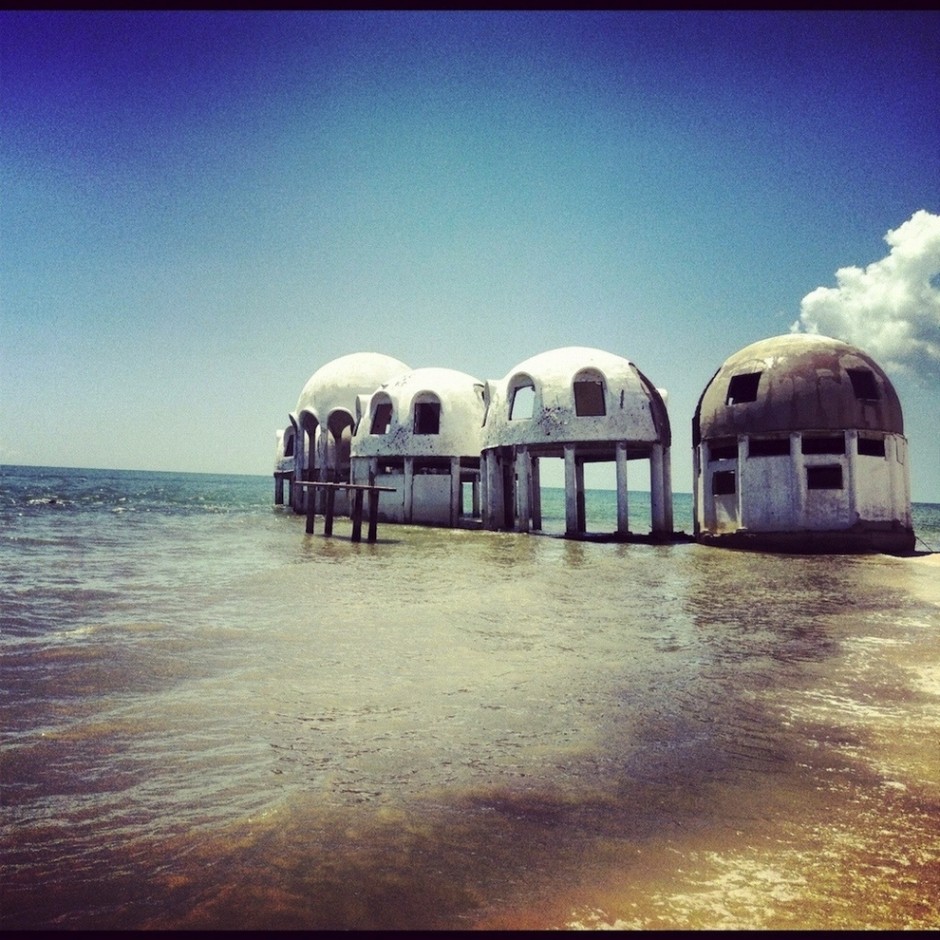
Florida’s real estate market is as varied as its sunshine, offering a diverse array of residential property types to suit nearly every lifestyle and investment goal. From sprawling single-family homes nestled in tranquil neighborhoods to sleek urban condominiums and expansive parcels of land ripe for development, the Sunshine State presents a compelling spectrum of choices for potential homeowners and investors alike.
Understanding these distinct property categories is crucial for making an informed decision that aligns with your needs, budget, and long-term aspirations. This exploration delves into the characteristics, benefits, and considerations of the most prevalent residential options available across Florida’s vibrant landscape.
Single-Family Homes
Single-family homes represent the quintessential American dream for many, and Florida offers an extensive selection of these detached residences. They are typically situated on their own lot, providing a sense of privacy and autonomy that is highly valued by homeowners. The benefits of owning a single-family home in Florida are numerous, catering to a wide range of buyer profiles. For families, the ample living space, private yards for children and pets, and the potential for customization are significant draws.
Many single-family homes are located in established neighborhoods with access to good schools, parks, and community amenities, fostering a strong sense of belonging. For retirees, a single-family home can offer a peaceful sanctuary, often with a manageable yard and the freedom to enjoy their golden years without the constraints of shared walls or community rules. The ability to renovate, landscape, and truly make a house a home is a powerful incentive.
Furthermore, for those seeking long-term appreciation, single-family homes in desirable Florida locations have historically shown strong investment potential.However, there are also drawbacks to consider. The primary disadvantage is often the higher cost of purchase and ongoing maintenance compared to other property types. Homeowners are solely responsible for all repairs, from a leaky roof to a malfunctioning air conditioning unit, which can be a substantial financial commitment.
Property taxes and insurance costs can also be higher for single-family homes, especially in coastal areas prone to hurricanes. While privacy is a key benefit, it can also mean more isolation for some individuals. The responsibility of maintaining a yard, including mowing, landscaping, and pest control, requires time and effort, which may not appeal to everyone. For buyers on a tighter budget, the initial purchase price and the continuous upkeep expenses associated with single-family homes can be prohibitive, leading them to explore alternative housing solutions.
Despite these considerations, the enduring appeal of a private dwelling with its own plot of land remains a cornerstone of the Florida housing market.
Condominiums and Townhouses
Condominiums and townhouses have become exceptionally popular housing options in Florida, particularly in its bustling urban centers and along its picturesque coastline. These types of residences offer a compelling blend of affordability, convenience, and lifestyle amenities that resonate with a broad spectrum of buyers, from young professionals to active seniors. Condominiums, often found in high-rise buildings or low-rise complexes, typically consist of individual units within a larger structure.
Owners purchase the interior space of their unit, while the common areas – such as hallways, lobbies, pools, fitness centers, and grounds – are jointly owned and managed by a homeowners’ association (HOA). This shared ownership model translates into a lifestyle where exterior maintenance, landscaping, and amenity upkeep are handled by the HOA, freeing residents from these responsibilities. This is a major draw for individuals seeking a lock-and-leave lifestyle or those who simply prefer not to spend their free time on property upkeep.
The convenience of having resort-style amenities readily available, such as swimming pools, gyms, and social rooms, adds significant value and appeal.Townhouses, on the other hand, are typically multi-level homes that share one or more walls with adjacent units, forming a row. While they often offer more living space and a private entrance than a typical condominium unit, they also usually fall under an HOA that manages exterior maintenance and common areas.
Townhouses can provide a good balance between the privacy of a single-family home and the convenience of community living. They are often found in master-planned communities or in denser urban areas where land is at a premium. The appeal of townhouses lies in their efficient use of space, often featuring multiple bedrooms and bathrooms, and sometimes even a small private patio or balcony.
Both condominiums and townhouses are frequently located in prime areas, offering proximity to urban employment hubs, vibrant entertainment districts, and stunning waterfront views, which further enhances their desirability. The HOA fees, while an additional monthly cost, are often seen as an investment in a well-maintained property and access to desirable amenities, contributing to a high quality of life for residents in Florida’s dynamic urban and coastal environments.
Vacant Land for Custom Home Building
Purchasing vacant land in Florida for the purpose of custom home building presents a unique set of opportunities and considerations for prospective homeowners and developers. This option appeals to those who have a clear vision of their ideal home and wish to have complete control over its design, construction, and location. The primary advantage of buying land is the unparalleled ability to create a bespoke living space tailored precisely to individual needs and preferences.
Unlike purchasing an existing home, where compromises are often necessary, building from scratch allows for custom floor plans, material selections, and architectural styles. This can result in a home that perfectly reflects the owner’s personality and lifestyle, from the number of bedrooms and bathrooms to the specific types of finishes and fixtures. Furthermore, vacant land can sometimes be acquired at a lower price point per square foot than developed property, offering potential cost savings, especially in areas undergoing development or with less stringent zoning regulations.However, the process of building a custom home on vacant land is significantly more complex and time-consuming than buying a ready-made residence.
Buyers must thoroughly research zoning laws, building codes, and environmental regulations that may affect their construction plans. Securing permits, hiring architects and contractors, and managing the construction timeline are all critical steps that require careful planning and oversight. The availability and cost of utilities, such as water, sewer, electricity, and internet, need to be assessed, as extending these services to a remote parcel can incur substantial expenses.
Site preparation, including clearing land, grading, and ensuring proper drainage, is another crucial phase that adds to the overall cost and timeline. Financing a custom build also differs from traditional mortgage processes, often involving construction loans that disburse funds in stages as the project progresses. Despite these challenges, the reward of living in a home that is truly one-of-a-kind, built to exacting standards and situated on a parcel of land chosen for its specific attributes, makes the endeavor highly attractive for a dedicated segment of the Florida real estate market.
Vacation or Investment Property
Owning a vacation or investment property in Florida offers a dual-faceted appeal, blending personal enjoyment with the potential for attractive financial returns. For many, a Florida property serves as a cherished vacation home, a personal retreat from the everyday hustle and bustle. Imagine waking up to the sound of waves crashing on the shore, enjoying leisurely mornings on a private lanai overlooking a golf course, or spending afternoons exploring theme parks and vibrant cultural attractions.
These properties provide a consistent and familiar destination for holidays and getaways, eliminating the need for hotel bookings and offering the comforts of a home away from home. The lifestyle associated with a Florida vacation home often includes access to year-round sunshine, a plethora of outdoor recreational activities such as boating, fishing, and golfing, and a relaxed pace of life that is synonymous with the Sunshine State.Beyond personal enjoyment, the investment potential of Florida real estate is a significant driving force for many buyers.
The state’s enduring popularity as a tourist destination, coupled with its growing population, creates a robust rental market. Properties in prime locations, particularly those near popular attractions, beaches, or major cities, can generate substantial rental income when owners are not occupying them. This can range from short-term vacation rentals, which can command higher nightly rates but require more active management, to longer-term leases.
For instance, a well-appointed condominium in Orlando could be consistently booked by families visiting the theme parks, while a beachfront townhouse in the Miami area might attract seasonal renters seeking a sun-drenched escape. The appreciation of property values over time is another key component of the investment strategy, with Florida’s real estate market historically demonstrating strong growth. Many investors view their Florida property not only as a source of passive income but also as a tangible asset that is likely to increase in value, providing a hedge against inflation and a valuable addition to their overall investment portfolio.
The combination of personal pleasure and financial gain makes owning a vacation or investment property in Florida a compelling proposition for a wide range of individuals.
Identifying Key Amenities and Lifestyle Factors Attracting Homebuyers to Florida Communities
Florida’s allure extends far beyond its sunshine and warm climate; it’s deeply rooted in the lifestyle amenities and community features that cater to a diverse range of residents. When searching for a home in the Sunshine State, understanding these factors is paramount to finding a location that truly resonates with your personal preferences and long-term goals. From the vibrant energy of coastal towns to the tranquil ambiance of inland enclaves, each community offers a unique blend of attractions that significantly influence property desirability.
Proximity to Beaches, Recreational Activities, and Natural Parks
The siren call of the ocean is undeniable, and for many, proximity to Florida’s pristine beaches is a non-negotiable amenity. These coastal havens offer more than just picturesque views; they are centers for a lifestyle rich in outdoor recreation and relaxation. Whether it’s early morning jogs along the shoreline, sunbathing and swimming during the day, or enjoying breathtaking sunsets in the evening, beachfront access or living within a short drive of the coast significantly enhances the quality of life for many residents.
Beyond the sand, Florida boasts an abundance of recreational opportunities. Water sports enthusiasts will find their paradise with opportunities for boating, fishing, kayaking, paddleboarding, and sailing readily available across the state’s extensive network of lakes, rivers, and the Atlantic and Gulf coasts.The state’s commitment to preserving its natural beauty is evident in its vast array of state and national parks, as well as numerous local preserves and wildlife refuges.
These natural spaces provide residents with unparalleled access to hiking trails, birdwatching opportunities, camping, and a chance to connect with Florida’s unique ecosystems. For instance, the Everglades National Park offers a unique subtropical wilderness experience, while the Ocala National Forest provides opportunities for hiking, swimming in natural springs, and exploring diverse flora and fauna. Communities situated near these natural attractions often appeal to those who value an active lifestyle and a close connection to nature.
The presence of golf courses, tennis clubs, and community sports facilities further amplifies the recreational appeal of certain areas, making them attractive to individuals and families seeking opportunities for leisure and fitness. This focus on outdoor living and active pursuits is a significant driver for many choosing a Florida address.
The Role of Local Infrastructure in Property Desirability
The seamless functioning of a community is heavily reliant on its underlying infrastructure, and in Florida, this plays a crucial role in determining property desirability. A well-developed transportation network is a cornerstone of convenience and accessibility. Easy access to major highways, such as I-75, I-95, and the Florida Turnpike, allows residents to commute efficiently, travel to other parts of the state, and connect with major airports for national and international travel.
For those who prefer public transportation, the availability and efficiency of bus routes, light rail systems, or commuter trains in urban centers can be a significant deciding factor, reducing reliance on personal vehicles and enhancing the overall livability of an area.The presence of robust shopping centers, from large regional malls and outlet stores to charming local boutiques and farmers’ markets, contributes to a vibrant retail landscape that caters to diverse needs and preferences.
These commercial hubs not only provide convenient access to goods and services but also serve as community gathering places, fostering a sense of local identity. Furthermore, the availability and quality of healthcare facilities are paramount considerations for any homeowner, especially for families and retirees. Access to reputable hospitals, specialized medical centers, urgent care clinics, and a network of primary care physicians ensures peace of mind and readily available support for health and wellness needs.
Communities that boast top-tier healthcare infrastructure are consistently more attractive to a broad spectrum of buyers. The integration of these infrastructural elements creates a foundation of convenience and quality of life that directly influences a property’s appeal and, consequently, its market value.
Impact of Local School Districts and Community Services on Homebuyers
For families with children, the quality of local school districts is often a primary driver in the home-buying decision. A strong educational system signifies a commitment to future generations and can significantly impact a child’s academic success and overall development. Parents actively research school ratings, student-teacher ratios, available extracurricular activities, and the overall reputation of public and private schools within a given area.
Communities with highly-rated school districts tend to attract families and often command higher property values, reflecting the perceived long-term benefits of a superior education. Beyond formal education, the array of community services available plays a vital role in shaping the desirability of a Florida residence.These services can encompass everything from well-maintained parks and recreational programs for children and adults to libraries offering educational resources and community centers that host events and activities.
Public safety, including efficient police and fire departments, also contributes to a sense of security and well-being. Access to reliable utilities, waste management services, and community upkeep initiatives further enhances the overall living experience. For example, a community with vibrant youth sports leagues, art programs, and senior activities fosters a strong sense of belonging and provides ample opportunities for residents to engage with their neighbors and participate in local life.
The availability of these services contributes to a holistic living environment, making certain Florida communities more appealing and sustainable for long-term residency.
The Growing Trend of Retirement Communities and Active Adult Enclaves
Florida has long been a prime destination for retirees, and this trend has led to the proliferation of specialized retirement communities and active adult enclaves across the state. These communities are meticulously designed to cater to the unique needs and lifestyle preferences of individuals aged 55 and older, offering a supportive and engaging environment. The appeal of these enclaves lies in their curated amenities and social structures, which promote an active, fulfilling, and hassle-free retirement.
Residents often find a built-in social network, reducing the potential for isolation and fostering new friendships.These communities typically offer a wide array of amenities focused on health, wellness, and leisure. Common features include:
- Resort-style swimming pools and fitness centers
- Walking and biking trails
- Clubhouses with social gathering spaces, game rooms, and libraries
- Organized activities, clubs, and excursions
- On-site dining options and convenience stores
- Access to golf courses and tennis courts
- Maintenance-free living, with services like lawn care and exterior upkeep often included
The emphasis is on providing residents with opportunities to stay active, pursue hobbies, and enjoy their retirement years without the burdens of home maintenance. Many active adult communities also offer flexible living options, from single-family homes and villas to apartments and condominiums, allowing residents to choose a dwelling that best suits their needs and budget. The security and peace of mind provided by gated communities and on-site management further enhance their attractiveness.
For prospective residents, these enclaves represent not just a place to live, but a lifestyle designed for comfort, engagement, and enjoyment in their golden years.
Understand the financial aspects and potential return on investment when acquiring property in Florida.
Investing in Florida real estate offers a compelling opportunity for both homeowners and investors, but a thorough understanding of the financial landscape is crucial for maximizing returns and avoiding unforeseen costs. Beyond the initial purchase price, a multitude of ongoing expenses and potential income streams contribute to the overall financial picture of property ownership in the Sunshine State. This section delves into these critical financial considerations, providing a comprehensive overview to guide your decision-making process.
Florida Homeownership Costs Beyond the Purchase Price
The initial purchase price of a Florida property is merely the entry point into homeownership. A variety of recurring expenses are associated with maintaining and owning a residence in the state, each contributing to the total cost of ownership. These costs can vary significantly based on location, property type, and specific community amenities, making it essential for potential buyers to budget accordingly.Property taxes are a primary ongoing expense.
These are levied by local governments and are typically calculated as a percentage of the property’s assessed value. The millage rate, which is the tax rate applied to each $1,000 of assessed value, varies by county and municipality. For instance, a property with an assessed value of $300,000 and a millage rate of 20 mills would incur annual property taxes of $6,000 (300,000 / 1,00020).
Florida offers homestead exemptions for primary residences, which can significantly reduce the taxable value of a homesteaded property, thereby lowering the annual tax burden.Homeowners insurance is another critical cost, particularly in a state prone to hurricanes and other weather-related events. Premiums are influenced by factors such as the property’s location (especially its proximity to the coast and flood zones), the age and construction of the home, and the deductible chosen.
Understand how the union of Cheap Mobile Homes for Sale in Palm Beach County can improve efficiency and productivity.
Flood insurance, often a separate policy, is frequently required for properties in designated flood zones and adds another layer to the insurance costs. Comprehensive coverage is essential to protect against potential damage.Homeowner Association (HOA) fees are common in many Florida communities, particularly in condominium complexes, townhouses, and master-planned developments. These fees cover the maintenance of common areas, amenities like pools and clubhouses, landscaping, and sometimes utilities or security services.
HOA fees can range from a few hundred dollars per month to over a thousand, depending on the level of services and amenities provided. It is imperative to understand what these fees cover and to review the HOA’s financial health and rules before purchasing a property within such a community.Other potential costs include private mortgage insurance (PMI) if a buyer finances with less than 20% down, regular maintenance and repairs (which can be higher in coastal areas due to salt air and humidity), and utility costs, which can be substantial given Florida’s warm climate and the need for air conditioning.
Estimating Potential Rental Income for Investment Properties
For those considering Florida real estate as an investment, understanding the potential for rental income is paramount. Accurately estimating this income requires a nuanced approach that considers local market conditions, property characteristics, and anticipated occupancy rates. Different Florida markets cater to distinct renter demographics, influencing both the achievable rental rates and the consistency of demand.The first step in estimating rental income is to research average rental prices for comparable properties in the target market.
This involves looking at single-family homes, condominiums, or townhouses with similar square footage, bedroom and bathroom counts, and amenities in the same or adjacent neighborhoods. Real estate listing websites, property management company data, and local real estate agent insights are valuable resources for this research. For example, a three-bedroom, two-bathroom single-family home in a desirable Orlando suburb might command a monthly rent of $2,500, while a similar property in a less sought-after area could rent for $1,800.Occupancy rates are a critical factor in determining the actual rental income generated.
High occupancy rates indicate strong demand and a consistent cash flow, while low rates can signal market saturation or other issues. Average occupancy rates in popular Florida tourist destinations or areas with robust job growth tend to be higher, often exceeding 95% for well-maintained properties. In contrast, markets with slower economic growth or an oversupply of rental units might experience occupancy rates in the low to mid-90s.To calculate potential annual rental income, one would multiply the estimated monthly rent by 12 months and then by the projected occupancy rate.
For instance, a property estimated to rent for $2,000 per month with an anticipated 96% occupancy rate would generate an annual gross rental income of $2,000
- 12
- 0.96 = $23,040.
It’s also important to consider seasonal variations in rental demand, particularly in tourist-heavy areas. Properties in South Florida might command higher rents during the winter season, while areas near theme parks could see peak demand during school holidays. Property management fees, typically ranging from 8% to 12% of the monthly rent, must also be factored into the net rental income calculation.
Furthermore, an allowance for vacancy periods and maintenance costs should be reserved.
Long-Term Financial Benefits and Potential for Capital Appreciation in Florida Real Estate
Investing in Florida real estate offers compelling long-term financial benefits, primarily driven by the potential for capital appreciation and the consistent demand for housing in a growing state. The Sunshine State’s attractive climate, thriving economy, and desirable lifestyle continue to draw residents and visitors, creating a sustained environment for property value growth.Capital appreciation refers to the increase in a property’s value over time.
Florida’s real estate market has historically demonstrated a strong capacity for appreciation, influenced by a combination of factors. Population growth, fueled by both domestic migration and international interest, consistently increases demand for housing. As more people seek to live and work in Florida, the limited supply of land, especially in desirable coastal areas, puts upward pressure on property values.The state’s robust economy, driven by sectors such as tourism, healthcare, aerospace, and technology, further supports property value growth.
Job creation attracts new residents, many of whom become homeowners or renters, thereby bolstering the real estate market. Additionally, ongoing infrastructure development, such as improvements to transportation networks and the expansion of amenities, enhances the desirability of various regions, contributing to higher property values.Beyond appreciation, Florida real estate can offer attractive rental yields, providing a steady stream of passive income.
Expand your understanding about homes mobile homes with the sources we offer.
As previously discussed, high occupancy rates in many areas, combined with competitive rental rates, can generate significant returns for investors. This rental income can help offset mortgage payments and other ownership costs, while the property’s value continues to grow.Furthermore, Florida’s favorable tax environment, including the absence of state income tax and property tax deductions for mortgage interest and property taxes (for homeowners), can enhance the overall financial benefits of ownership.
For investors, the ability to deduct operating expenses, depreciation, and mortgage interest can further improve their net returns. The long-term outlook for Florida real estate remains positive, with projections indicating continued growth, making it a sound investment for those seeking wealth accumulation and financial security.
Hypothetical Financial Projection for a First-Time Homebuyer in Florida
This hypothetical financial projection illustrates the initial investment and ongoing expenses for a first-time homebuyer purchasing a modest single-family home in a mid-tier Florida market. This scenario aims to provide a realistic overview of the financial commitment involved. Property Details:
Purchase Price
$350,000
Down Payment
10% ($35,000)
Loan Amount
$315,000 (at 6.5% interest for 30 years) Initial Investment (Closing Costs & Down Payment):The initial cash outlay includes the down payment and closing costs. Closing costs in Florida typically range from 2% to 5% of the loan amount and can include appraisal fees, title insurance, loan origination fees, recording fees, and pre-paid items like property taxes and homeowner’s insurance premiums.* Down Payment: $35,000
Estimated Closing Costs (3% of loan amount)
$315,0000.03 = $9,450
Total Initial Investment
$35,000 + $9,450 = $44,450
Ongoing Monthly Expenses (Estimated):These are the recurring costs associated with owning the property.* Mortgage Principal & Interest (P&I): Using a mortgage calculator, the monthly P&I payment for a $315,000 loan at 6.5% for 30 years is approximately $1,991.
Property Taxes
Assuming an annual property tax of $4,200 (based on a $300,000 assessed value and a millage rate of 14), the monthly amount is $4,200 / 12 = $350.
Homeowners Insurance
Estimated at $1,800 annually, the monthly cost is $1,800 / 12 = $150.
Flood Insurance
If required, an additional $600 annually, or $50 per month.
HOA Fees
Assuming no HOA fees for this single-family home example.
Utilities (Electricity, Water, Internet)
Estimated at $300 per month.
Maintenance & Repairs Fund
A conservative estimate of 1% of the property value annually, or $3,500 / 12 = $292 per month. Total Estimated Monthly Expenses:$1,991 (P&I) + $350 (Property Tax) + $150 (Homeowners Insurance) + $50 (Flood Insurance) + $300 (Utilities) + $292 (Maintenance) = $3,133 per monthThis projection highlights that while the initial investment is substantial, the ongoing monthly financial commitment is also significant. First-time homebuyers should ensure they have a stable income and a solid emergency fund to cover these expenses and any unexpected costs.
Final Thoughts
As we conclude our exploration of houses for sale in Florida, it’s clear that the Sunshine State offers a rich tapestry of opportunities for prospective homeowners. Whether you’re drawn by the allure of its diverse regions, the potential for investment, or the promise of a particular lifestyle, understanding the market dynamics, the purchasing process, and the unique characteristics of Florida’s communities is paramount.
We trust this guide has provided you with valuable insights and a solid foundation for embarking on your journey to find your perfect Florida abode. The dream of owning a piece of paradise is well within reach with careful planning and informed decision-making.
Answers to Common Questions: Houses For Sale In Florida
What are the typical closing costs when buying a house in Florida?
Closing costs in Florida typically range from 2% to 5% of the loan amount. These can include lender fees, appraisal fees, title insurance, recording fees, and prepaid items like property taxes and homeowners insurance premiums. It’s advisable to get a detailed estimate from your lender and title company.
How long does the home buying process typically take in Florida?
The home buying process in Florida can vary, but it generally takes between 30 to 60 days from the time an offer is accepted to closing. This timeframe can be influenced by factors such as financing, home inspections, and any specific contingencies in the purchase agreement.
Are there any special programs for first-time homebuyers in Florida?
Yes, Florida offers several programs for first-time homebuyers, including down payment and closing cost assistance through agencies like the Florida Housing Finance Corporation. These programs often have income and purchase price limitations, so it’s important to research eligibility requirements.
What is the role of a real estate agent in Florida?
A real estate agent in Florida acts as an intermediary between buyers and sellers. They assist with property searches, market analysis, offer negotiation, contract preparation, and guiding clients through the closing process. Their expertise can be invaluable in navigating the complexities of the real estate market.
How important is a home inspection in Florida?
A home inspection is crucial in Florida. It allows a professional to assess the condition of the property, identifying any potential issues such as structural problems, plumbing or electrical concerns, or pest infestations. This information can be used to negotiate repairs or withdraw from the purchase if significant problems are found.