Homes for sale in Florida offer a vibrant tapestry of opportunities for buyers seeking sun-drenched lifestyles and diverse communities. This guide delves into the expansive real estate landscape of the Sunshine State, exploring everything from the bustling metropolises of South Florida to the serene waterfront properties along its extensive coastline. We’ll navigate the financial intricacies, lifestyle attractions, and practical steps involved in finding your perfect Florida abode.
Embarking on the journey to find homes for sale in Florida is an exciting prospect, promising not just a place to live but a gateway to a unique way of life. From the allure of pristine beaches and abundant sunshine to the rich cultural tapestry and thriving economies, Florida presents a compelling case for homeownership. This exploration will illuminate the distinct characteristics of its various regions, the financial considerations for prospective buyers, and the unparalleled lifestyle benefits that make the Sunshine State a sought-after destination for residents of all walks of life.
Exploring Florida’s Diverse Residential Property Landscapes

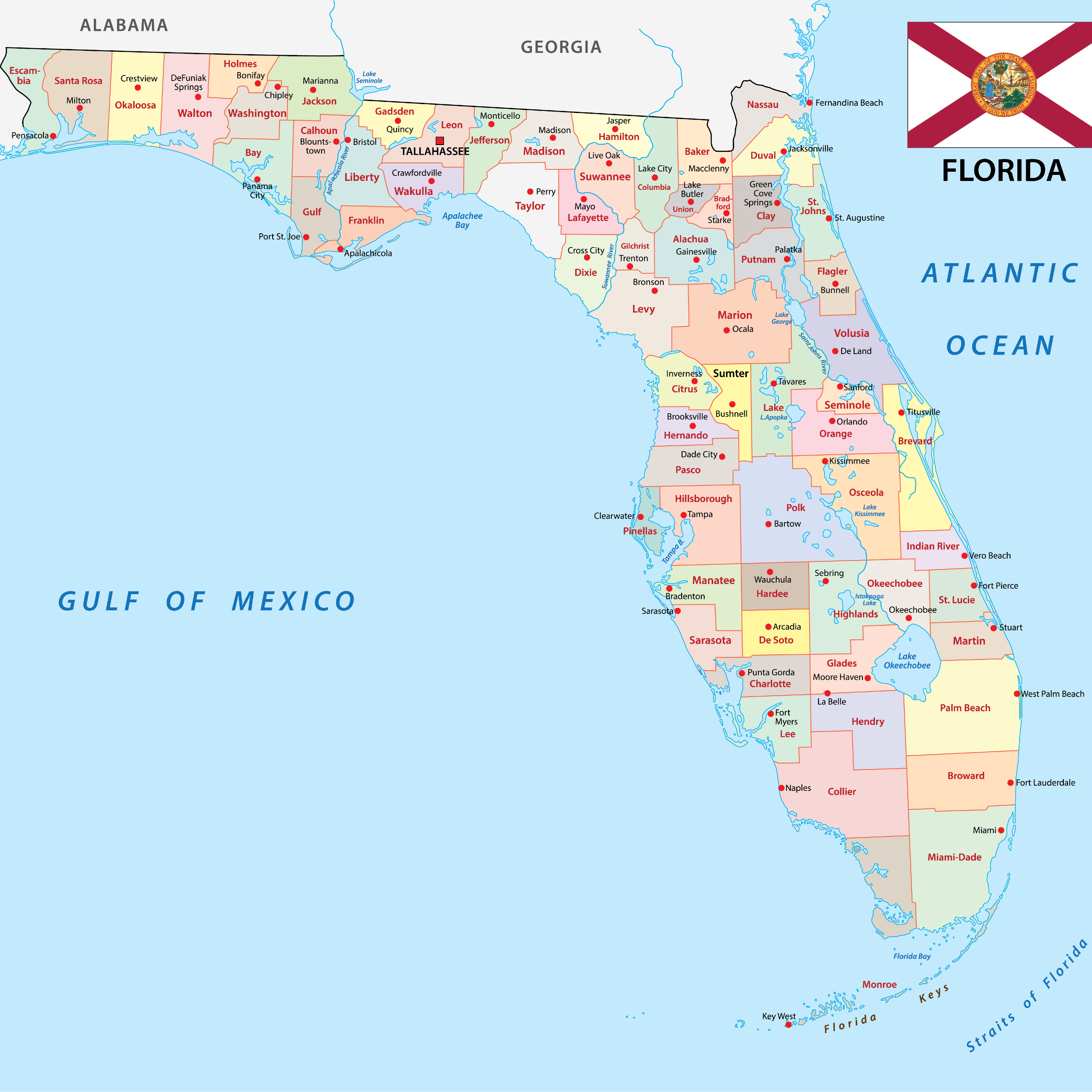
Florida, often lauded as the Sunshine State, presents a remarkably diverse tapestry of residential property markets, each with its own unique character, economic drivers, and lifestyle appeal. From the vibrant urban centers of the south to the burgeoning communities of the north, prospective homeowners have a wide array of choices tailored to various preferences and budgets. Understanding these distinct regional characteristics is paramount for anyone looking to invest in or relocate to this dynamic state.
This exploration delves into the core attributes of Florida’s major metropolitan areas, offering insights into their housing markets, buyer demographics, and the compelling reasons that draw people to call these places home.
South Florida: Miami-Dade, Broward, and Palm Beach Counties
South Florida, a global hub for culture, finance, and tourism, boasts a real estate market characterized by its luxury offerings, international appeal, and a lifestyle centered around sun, sand, and sophisticated urban living. Miami-Dade County, the most populous in Florida, features a diverse range of properties, from sleek downtown condos with stunning ocean views to sprawling waterfront estates in areas like Coral Gables and Key Biscayne.
Average price ranges here can be quite high, with median home prices often exceeding $500,000 and frequently reaching into the millions for prime locations and high-end properties. Popular property types include high-rise condominiums, townhouses, single-family homes, and exclusive villas. The lifestyle draws are immense: a vibrant arts and culture scene, world-class dining, renowned nightlife, pristine beaches, and a significant Latin American and Caribbean influence that infuses the region with a unique cosmopolitan flair.
Broward County, north of Miami-Dade, offers a slightly more varied price point while still maintaining a strong appeal. Cities like Fort Lauderdale are known for their canals and yachting lifestyle, with a mix of waterfront homes, condos, and family-friendly suburban neighborhoods. Average prices here might be slightly lower than Miami-Dade’s peak, but still reflect a desirable coastal living experience. Palm Beach County, further north, is synonymous with exclusivity and affluence.
Areas like Palm Beach, Boca Raton, and Jupiter are home to some of the nation’s most expensive real estate, featuring opulent mansions, private golf course communities, and luxurious beachfront properties. The lifestyle here is one of refined elegance, with a focus on high-end shopping, fine dining, equestrian pursuits, and a serene, upscale environment. For buyers seeking a blend of luxury, international flavor, and an active outdoor lifestyle, South Florida remains an unparalleled destination.
The constant influx of international buyers, particularly from Latin America and Europe, alongside a strong domestic demand driven by a desire for warm weather and a high quality of life, consistently fuels this robust market. The economic engines of finance, trade, tourism, and a growing tech sector also contribute to sustained demand, making South Florida a consistently attractive, albeit competitive, real estate landscape.
Central Florida: Orlando and Surrounding Areas
Central Florida, with Orlando as its vibrant core, is a region defined by its booming tourism industry, family-friendly atmosphere, and a dynamic real estate market that caters to a wide spectrum of buyers. Orlando itself is globally recognized as the theme park capital of the world, and this entertainment industry significantly influences its housing market. Home values in Orlando and its surrounding areas are generally more accessible than in South Florida, making it an attractive option for families, retirees, and investors.
Average price ranges can vary significantly, with median home prices often falling in the $300,000 to $400,000 range, though luxury properties and homes in highly sought-after communities can command higher figures. Popular property types include single-family homes, particularly in master-planned communities offering abundant amenities, as well as townhouses and condominiums, especially for those seeking a more maintenance-free lifestyle or investment opportunities.
Factors influencing home values include proximity to major employment centers, quality of schools, and access to recreational activities. Beyond the theme parks, Central Florida offers a wealth of natural beauty, including numerous lakes, springs, and state parks, providing ample opportunities for outdoor recreation such as boating, fishing, and hiking. The region’s strong job growth, fueled by tourism, hospitality, healthcare, and a growing technology sector, continues to attract new residents, driving demand for housing.
Communities here often emphasize a family-oriented lifestyle, with many neighborhoods featuring community pools, parks, playgrounds, and organized activities. For those looking for a blend of entertainment, outdoor pursuits, and a more affordable cost of living compared to coastal Florida, Central Florida presents a compelling proposition. The ongoing development of new residential communities, coupled with infrastructure improvements and a steady stream of new residents seeking a vibrant lifestyle and economic opportunities, ensures that Orlando and its environs remain a highly desirable and dynamic real estate market.
The presence of major educational institutions also contributes to a stable rental market and a steady demand for housing from students and faculty.
Obtain direct knowledge about the efficiency of home houses through case studies.
Tampa Bay Area: Tampa, St. Petersburg, and Clearwater
The Tampa Bay area, encompassing the bustling cities of Tampa, St. Petersburg, and Clearwater, offers a compelling mix of urban amenities, beautiful Gulf Coast beaches, and a more relaxed pace of life, making its real estate market particularly attractive to a diverse demographic. This region has experienced significant growth in recent years, driven by a robust economy, a lower cost of living compared to other major Florida metropolitan areas, and a high quality of life.
Average price ranges in the Tampa Bay area are generally moderate, with median home prices often falling within the $300,000 to $450,000 range, though this can fluctuate based on specific neighborhoods and property types. Tampa, the largest city, offers a diverse housing stock, from downtown condos with city and bay views to established single-family neighborhoods and newer suburban developments. St.
Petersburg, known for its vibrant arts scene and proximity to stunning beaches, features a mix of historic bungalows, modern condos, and waterfront properties. Clearwater, famous for its award-winning beaches, offers a lifestyle focused on coastal living, with a prevalence of condos, townhouses, and single-family homes, many with easy access to the Gulf. Popular property types across the region include single-family homes, which are in high demand, particularly for families, as well as condominiums and townhouses, which appeal to professionals, retirees, and investors.
The buyer demographics are broad, attracting young professionals drawn to the job market, families seeking good schools and a family-friendly environment, and retirees looking for a warm climate and a relaxed coastal lifestyle. The unique selling propositions of the Tampa Bay area include its beautiful, accessible beaches, a thriving cultural and culinary scene, a strong job market in sectors like healthcare, finance, and technology, and a more affordable cost of living than many other major coastal cities.
The presence of professional sports teams, numerous parks and recreational areas, and a generally friendly atmosphere further enhances its appeal. The ongoing development of new residential projects, coupled with the influx of businesses and residents, continues to shape this dynamic and appealing real estate market.
North Florida: Jacksonville and Environs, Homes for sale in florida
North Florida, with Jacksonville as its economic and cultural anchor, presents a unique real estate landscape characterized by its significant size, diverse geography, and a growing appeal for both residents and investors. As one of the largest cities by land area in the contiguous United States, Jacksonville offers a wide array of housing options, from urban lofts and historic homes in the downtown core to sprawling suburban neighborhoods and coastal properties along the Atlantic Ocean.
The real estate trends in North Florida are marked by steady growth and increasing desirability, driven by a strong job market, a more affordable cost of living compared to South and Central Florida, and a more laid-back lifestyle. Average price ranges in Jacksonville are generally more accessible, with median home prices often falling between $250,000 and $350,000, making it an attractive option for first-time homebuyers and those seeking greater value.
Popular property types include single-family homes, which dominate the market, especially in the numerous suburban communities surrounding the city. Townhouses and condominiums are also available, particularly in urban areas and near the coast. Emerging neighborhoods and investment opportunities are plentiful. Areas like the rapidly developing Riverside and Avondale districts are seeing a resurgence, with historic homes being renovated and new businesses opening, attracting a younger demographic.
To the east, along the coast, neighborhoods like Atlantic Beach, Neptune Beach, and Ponte Vedra Beach offer desirable oceanfront and near-oceanfront properties, attracting those who prioritize a beach lifestyle. The economic drivers for Jacksonville include a strong presence in logistics and transportation, finance, healthcare, and a growing tech sector. This diverse economic base supports a steady demand for housing. The unique selling propositions of North Florida, particularly Jacksonville, include its extensive coastline, access to natural resources like the St.
Johns River, a more relaxed pace of life, and a strong sense of community. For buyers looking for a blend of urban amenities, coastal access, and affordability, Jacksonville and its environs represent a compelling and evolving real estate market with significant potential for growth and investment. The city’s strategic location also makes it a key hub for distribution and logistics, further bolstering its economic stability and housing demand.
The Typical Buyer Journey in Florida’s Varied Locales
The journey to purchasing a home in Florida, regardless of the specific metropolitan area, generally follows a structured path, though the nuances can differ based on the buyer’s priorities and the region’s market dynamics. For individuals seeking residences in South Florida, the journey often begins with a significant financial commitment, as price points are typically higher. Buyers might start their search online, exploring listings that often feature high-end properties with extensive amenities.
They may engage with real estate agents who specialize in luxury markets or international clients, given the significant global interest in areas like Miami and Palm Beach. The search often involves viewing properties that are in high demand, requiring quick decisions. The closing process can sometimes be more complex due to international transactions or specific property regulations. In Central Florida, particularly around Orlando, the buyer journey is often driven by families or individuals relocating for work or seeking a vacation home.
The search might begin with a focus on master-planned communities, emphasizing amenities like pools, parks, and good school districts. Affordability and value for money are often key considerations. Buyers might utilize online portals extensively to compare options and schedule viewings. The closing process is typically more straightforward, reflecting a strong domestic buyer base. For the Tampa Bay area, the journey can be a blend of both.
Buyers might be attracted by the lifestyle and affordability, looking for single-family homes or condos. They often conduct thorough online research and work with local agents who understand the nuances of different neighborhoods, from the urban buzz of Tampa to the beach proximity of St. Petersburg. The emphasis is often on finding a balance between lifestyle and investment potential. In North Florida, especially Jacksonville, buyers may be drawn by the affordability and the vast array of housing options.
The journey might involve exploring different types of communities, from urban revitalization areas to suburban family neighborhoods and coastal towns. The process is often characterized by a more relaxed pace, with buyers having more time to consider their options. Regardless of the region, the typical buyer journey involves initial online research, connecting with a real estate professional, property viewings, making an offer, securing financing, conducting inspections, and finally, the closing process.
The key differentiators lie in the price points, the types of properties available, the speed of the market, and the specific lifestyle draws that influence a buyer’s decision-making.
Unique Selling Propositions of Florida’s Regions
Each of Florida’s major metropolitan areas offers a distinct set of unique selling propositions (USPs) that contribute significantly to their desirability for homeownership, drawing in a diverse range of buyers with varied aspirations. South Florida’s USPs are undeniably its globally recognized lifestyle and unparalleled international appeal. The region offers a vibrant fusion of cultures, world-class entertainment, and a consistently warm climate, making it a prime destination for those seeking an active, sophisticated, and sun-drenched existence.
Miami-Dade, Broward, and Palm Beach counties collectively provide access to pristine beaches, a thriving arts and culture scene, high-end shopping and dining, and a robust financial and business sector. The allure of owning a piece of paradise, whether a luxurious oceanfront condo or an exclusive estate, is a powerful draw. The constant influx of international investment and tourism solidifies its status as a premier global city.
Central Florida’s primary USP is its unparalleled family-friendly entertainment and its more accessible lifestyle. Orlando, at its heart, is a magnet for families drawn by the world-renowned theme parks and a plethora of family-oriented attractions. Beyond entertainment, the region boasts a strong sense of community, with numerous master-planned communities offering extensive amenities, good schools, and a more affordable cost of living compared to South Florida.
The abundance of lakes and natural beauty also provides ample opportunities for outdoor recreation, appealing to those who desire an active lifestyle without the urban intensity of the coast. The growing job market in sectors beyond tourism further enhances its appeal for long-term residency. The Tampa Bay area’s unique selling proposition lies in its compelling blend of urban vibrancy, stunning Gulf Coast beaches, and a more relaxed, affordable lifestyle.
It offers the best of both worlds: the economic opportunities and cultural amenities of a major city, coupled with the serene beauty and recreational activities of a coastal paradise. The region’s beautiful beaches, from Clearwater to St. Pete Beach, are a major draw for those seeking sun, sand, and water sports. The thriving arts and culinary scenes, professional sports teams, and a strong sense of community contribute to a high quality of life.
Furthermore, its relative affordability compared to other major Florida cities makes it an attractive option for a wider range of buyers, including young professionals, families, and retirees. North Florida, particularly Jacksonville and its environs, offers a compelling USP centered on its vastness, affordability, and a more laid-back, community-oriented atmosphere. As one of the largest cities by land area, Jacksonville provides an incredible diversity of living environments, from urban living and historic charm to suburban tranquility and coastal access.
Its more affordable housing market, combined with a strong and diversifying economy, makes it an attractive option for those seeking value and a lower cost of living. The extensive coastline, access to natural resources like the St. Johns River, and a less frenetic pace of life appeal to those who appreciate outdoor activities and a more grounded lifestyle. The presence of a strong logistics and transportation sector, alongside growing opportunities in finance and healthcare, ensures economic stability and continued growth.
Explore the financial considerations and investment potential inherent in acquiring Florida real estate.
Embarking on the journey of purchasing real estate in Florida involves a thorough understanding of the financial landscape. Beyond the sticker price of a home, numerous costs contribute to the overall investment. Savvy buyers meticulously analyze these expenses and potential returns to ensure their real estate ventures are both sound and profitable. This section delves into the average costs, financing avenues, investment evaluation, market comparisons, risk mitigation, and a practical financial checklist for navigating the Florida property market.The financial commitment to owning a home in Florida extends beyond the initial purchase price.
Prospective buyers must budget for a range of expenses that contribute to the total cost of acquisition and ongoing ownership. Understanding these components is crucial for accurate financial planning and avoiding unexpected expenditures. A well-prepared budget ensures that the dream of Florida homeownership remains a financially viable reality.
Average Costs Associated with Purchasing a Home in Florida
Acquiring a property in the Sunshine State involves several key financial outlays. The most significant of these is the down payment, which typically ranges from 3% to 20% of the purchase price, depending on the loan type and lender requirements. For a $300,000 home, a 10% down payment would be $30,000. Closing costs are another substantial component, usually amounting to 2% to 5% of the loan amount.
These fees cover a variety of services, including appraisal fees, title insurance, attorney fees, origination fees, recording fees, and pre-paid items like property taxes and homeowner’s insurance premiums. For our $300,000 home with a $270,000 loan, closing costs could range from $5,400 to $13,500.Property taxes are an annual expense that varies significantly by county and municipality, reflecting local government funding needs.
In Florida, property tax rates are generally assessed as a millage rate, which is multiplied by the property’s assessed value. For example, if a home is valued at $300,000 and the millage rate is 1.5%, the annual property tax would be $4,500. Homeowner’s insurance is also a mandatory cost, particularly for those with mortgages, and rates in Florida can be higher due to the state’s susceptibility to hurricanes and other natural disasters.
For a $300,000 home, annual homeowner’s insurance might range from $1,500 to $4,000 or more, depending on coverage, location, and deductibles. Flood insurance may also be required in certain areas, adding another layer of expense.A sample budget structure for a $300,000 home purchase with a 10% down payment and a 30-year conventional mortgage at a hypothetical 6.5% interest rate could look like this:
| Purchase Price | $300,000 |
| Down Payment (10%) | $30,000 |
| Loan Amount | $270,000 |
| Estimated Closing Costs (3%) | $8,100 |
| Estimated Annual Property Taxes (1.5%) | $4,500 |
| Estimated Annual Homeowner’s Insurance | $2,500 |
| Estimated Monthly Principal & Interest (P&I) | $1,706 |
| Estimated Monthly Property Taxes (PITI – Property Tax) | $375 |
| Estimated Monthly Homeowner’s Insurance (PITI – Insurance) | $208 |
| Estimated Total Monthly Housing Payment (PITI) | $2,289 |
This sample illustrates the significant upfront costs and the ongoing monthly financial obligations. It’s essential to remember that these figures are estimates and can fluctuate based on market conditions, individual circumstances, and specific property details.
Mortgage Options Available to Prospective Buyers in Florida
Securing financing is a pivotal step in acquiring Florida real estate. A variety of mortgage products are designed to cater to different buyer profiles and financial situations, each with its own set of requirements and benefits. Understanding these options empowers buyers to choose the loan that best aligns with their financial capacity and long-term goals.Conventional loans are the most common type of mortgage and are not backed by a government agency.
They typically require a higher credit score (often 620 or above) and a more substantial down payment compared to government-backed loans. Down payments can range from 3% for qualified borrowers to 20% or more to avoid private mortgage insurance (PMI). PMI is an additional monthly cost charged by lenders when a borrower’s down payment is less than 20% of the home’s value.
Conventional loans offer flexibility in terms of loan duration and can be fixed-rate or adjustable-rate mortgages. For instance, a borrower with excellent credit and a 20% down payment on a $300,000 home would likely qualify for a conventional loan with favorable terms.FHA loans are insured by the Federal Housing Administration and are designed to assist low-to-moderate-income borrowers, first-time homebuyers, and those with less-than-perfect credit.
The minimum credit score requirement is typically 580 with a 3.5% down payment, or 500-579 with a 10% down payment. FHA loans require both an upfront mortgage insurance premium (UFMIP) and an annual mortgage insurance premium (MIP), which is paid monthly. This makes them an attractive option for those who may not qualify for a conventional loan. For example, a buyer purchasing a $250,000 home with an FHA loan and a 3.5% down payment would only need $8,750 upfront.VA loans are guaranteed by the U.S.
Department of Veterans Affairs and are available to eligible veterans, active-duty military personnel, and surviving spouses. A significant benefit of VA loans is that they often require no down payment and do not have a private mortgage insurance requirement. The qualification criteria primarily revolve around the applicant’s service record and obtaining a Certificate of Eligibility (COE). Credit score requirements vary by lender but are generally more lenient than conventional loans.
A veteran purchasing a $400,000 home with a VA loan could potentially finance the entire purchase price without a down payment, a substantial financial advantage.
Strategies for Evaluating the Long-Term Investment Value of a Property in Florida
Determining the long-term investment potential of a Florida property requires a comprehensive analysis that goes beyond its current market appeal. Investors and homeowners alike must consider a range of economic and market-specific factors that influence a property’s ability to appreciate in value and generate returns over time. A proactive and informed approach to evaluation is key to maximizing the financial benefits of real estate ownership.Rental yield is a critical metric for investment properties.
It is calculated by dividing the annual rental income by the total property value, expressed as a percentage. A higher rental yield indicates a more profitable investment. For instance, a property purchased for $350,000 that can be rented for $2,500 per month ($30,000 annually) would have a rental yield of approximately 8.57% ($30,000 / $350,000). Analyzing comparable rental rates in the area and factoring in potential vacancy periods is essential for an accurate assessment.Potential for appreciation is another crucial factor.
This refers to the anticipated increase in the property’s market value over time. Appreciation is influenced by various factors, including supply and demand dynamics, inflation, interest rates, and local development. Researching historical appreciation rates in the specific Florida market and understanding future development plans can provide insights into potential growth. For example, areas experiencing significant job growth and infrastructure improvements are more likely to see higher property appreciation.Local economic growth indicators are paramount.
A robust local economy, characterized by a diverse job market, growing industries, and a stable population, generally supports strong real estate markets. Analyzing unemployment rates, median income, and major employer expansions can signal a healthy economic environment conducive to real estate investment. For instance, a Florida city attracting technology companies or a burgeoning tourism sector often experiences increased demand for housing, driving up property values.
Furthermore, considering factors like school district quality, crime rates, and access to amenities such as beaches, parks, and cultural attractions can enhance a property’s desirability and, consequently, its long-term value. Understanding zoning regulations and potential for future development also plays a role.
Comparing the Financial Implications of Buying a Primary Residence Versus an Investment Property in Popular Florida Markets
The financial considerations for purchasing a primary residence differ significantly from those for acquiring an investment property, even within the same popular Florida markets. These distinctions primarily lie in the purpose of the acquisition, the expected return on investment, and the associated tax implications. Understanding these differences is vital for making informed financial decisions that align with individual goals.When buying a primary residence, the primary goal is shelter and personal use.
While appreciation is a desirable outcome, it is often a secondary consideration to the immediate lifestyle benefits and the stability of homeownership. Mortgage interest and property taxes on a primary residence are typically tax-deductible, offering a significant financial advantage. For example, a homeowner in Miami Beach purchasing a $700,000 condo for personal use might benefit from deductions on their mortgage interest payments and property taxes, reducing their overall tax liability.
The return on investment is largely realized through the equity built over time and the tax benefits, rather than direct cash flow.Conversely, an investment property is acquired with the primary intention of generating income and capital appreciation. The focus is on maximizing rental yield and potential for future resale profit. This often means looking for properties in areas with high rental demand and strong potential for value growth, even if they are not in the most desirable residential neighborhoods.
For instance, an investor purchasing a $400,000 duplex in Orlando might prioritize its rental income potential over its proximity to their own personal preferences. The return on investment is measured by the net rental income (rental income minus operating expenses like property management, maintenance, and insurance) and the capital gains upon sale.Hypothetical Scenario: A $500,000 property in Tampa.* Primary Residence:
Purchase Price
$500,000
Down Payment
$100,000 (20%)
Loan Amount
$400,000
Estimated Annual Property Taxes
$6,000
Estimated Annual Homeowner’s Insurance
$2,000
Estimated Annual Mortgage Interest (Year 1, ~6.5%)
$26,000
Total Annual Deductible Expenses (Mortgage Interest + Property Taxes + Insurance)
$34,000. If in a 24% tax bracket, this could save approximately $8,160 in federal income taxes.
Return on Investment
Primarily through equity growth and tax savings.* Investment Property:
Purchase Price
$500,000
Down Payment
$125,000 (25%
often required for investment properties)
Loan Amount
$375,000
Estimated Annual Property Taxes
$6,000
Estimated Annual Landlord Insurance
$2,200
Estimated Annual Rental Income
$36,000 ($3,000/month)
Estimated Annual Operating Expenses (Property Management, Maintenance, Vacancy, etc.)
$9,000
Net Annual Rental Income
$27,000 ($36,000 – $9,000)
Cash-on-Cash Return (assuming a 6.5% interest rate on $375,000 loan, P&I ~ $2,370/month or $28,440/year)
($27,000 Net Income – $28,440 P&I) / $125,000 Down Payment = -1.15%. This example highlights that initial cash flow might be negative or low, with returns heavily reliant on appreciation. A higher rental income or lower purchase price would be needed for positive cash flow.
Return on Investment
Measured by net rental income and capital appreciation.This comparison demonstrates that while the initial purchase price might be similar, the financial strategies, risk profiles, and expected returns diverge significantly between owning a primary residence and an investment property.
Common Financial Pitfalls to Avoid When Purchasing Property in Florida
Navigating the Florida real estate market can present unique financial challenges. Recognizing and proactively addressing potential pitfalls is crucial for a smooth and financially sound transaction. Avoiding these common mistakes can save buyers considerable stress and expense.One of the most prevalent pitfalls is underestimating the total cost of homeownership. This includes not only the down payment and closing costs but also ongoing expenses such as property taxes, homeowner’s insurance (which can be particularly high in Florida due to hurricane risk), potential flood insurance, HOA fees, and maintenance.
Buyers may also fail to budget for unexpected repairs or upgrades. For example, a buyer might focus solely on the mortgage payment and overlook the $3,000 annual HOA fee and the $1,500 annual cost for specialized wind mitigation insurance that is often required in coastal areas. To mitigate this, a comprehensive budget should be created that includes a contingency fund for unforeseen expenses, ideally 1-3% of the property’s value annually.Another common mistake is failing to get pre-approved for a mortgage before seriously house hunting.
This can lead to disappointment and wasted time if a buyer falls in love with a property they cannot afford or qualify for. Pre-approval provides a clear understanding of borrowing capacity and strengthens an offer. Without pre-approval, a buyer might make an offer on a $400,000 home, only to find out they can only borrow $300,000, jeopardizing the deal. Actionable advice is to always secure a mortgage pre-approval from a reputable lender early in the process.
This involves a thorough review of credit history, income, and assets, providing a realistic price range.Overlooking the importance of a thorough home inspection is a significant financial risk. A qualified inspector can identify potential issues with the property’s structure, plumbing, electrical systems, roof, and HVAC, which could lead to costly repairs down the line. For instance, a buyer might purchase a home and later discover a leaky roof that requires $15,000 in repairs, an expense that could have been negotiated with the seller or avoided if identified during the inspection phase.
It is imperative to hire an independent, licensed home inspector and to carefully review their report, using it as leverage for negotiations or to walk away from a problematic property.Furthermore, buyers sometimes get caught up in bidding wars or emotional decisions, leading them to overpay for a property. This can significantly impact the long-term investment value, as it may take years for the property to appreciate to the purchase price.
For example, in a hot market like Fort Lauderdale, a buyer might waive contingencies and offer $50,000 over the asking price for a property that is ultimately only worth the original asking price. To avoid this, it is essential to conduct thorough comparable market analyses (CMAs) to understand the true market value of a property and to stick to a pre-determined budget.
Consulting with an experienced real estate agent who can provide objective advice is also invaluable.Finally, not understanding the implications of Florida’s unique real estate laws, such as those related to homestead exemptions, property tax appeals, or special assessments, can lead to financial disadvantages. For instance, failing to file for a homestead exemption can result in paying higher property taxes than necessary.
Buyers should educate themselves on these aspects or seek advice from real estate attorneys or experienced agents.
Sample Financial Checklist for a First-Time Homebuyer in Florida
Embarking on the path to homeownership for the first time can seem daunting, especially from a financial perspective. A structured checklist ensures that all critical financial steps are addressed systematically, paving the way for a successful and stress-free home-buying experience. This checklist is designed to guide first-time homebuyers through the essential financial milestones in Florida.
Examine how homes for sale county can boost performance in your area.
- Assess Your Financial Health and Credit Score:
Before anything else, understand your current financial standing. Obtain copies of your credit reports from all three major bureaus (Equifax, Experian, TransUnion) and review them for accuracy. Identify any errors and take steps to correct them. Your credit score is a primary factor lenders use to determine your eligibility and interest rate. Aim for a score of 620 or higher for conventional loans, though higher scores will yield better terms.
For FHA loans, a score as low as 580 may be acceptable with a 3.5% down payment.
- Determine Your Budget and Save for a Down Payment and Closing Costs:
Calculate how much you can realistically afford for a monthly mortgage payment, including principal, interest, taxes, and insurance (PITI). Factor in other homeownership costs like utilities, maintenance, and potential HOA fees. Start saving diligently for your down payment, which can range from 3% to 20% of the purchase price, and for closing costs, typically 2% to 5% of the loan amount.
Explore down payment assistance programs available in Florida for first-time homebuyers, which can significantly reduce upfront financial requirements.
- Get Pre-Approved for a Mortgage:
This is a crucial step that solidifies your buying power. A mortgage pre-approval involves a lender reviewing your financial documents (pay stubs, tax returns, bank statements) to determine how much they are willing to lend you. This process provides a realistic price range for your home search and makes your offer more competitive. Be sure to shop around with different lenders to compare interest rates and loan terms.
- Shop for Homeowner’s Insurance and Understand Other Insurance Needs:
Once you have a pre-approval, start researching homeowner’s insurance policies. In Florida, this is particularly important due to the risk of hurricanes and tropical storms. You may also need separate flood insurance depending on your property’s location. Obtain quotes from multiple insurance providers to find the best coverage at a competitive rate. Lenders will require proof of insurance before closing.
- Secure Financing and Finalize Loan Approval:
After your offer is accepted, you will move towards final loan approval. This involves the lender ordering an appraisal of the property to ensure its value supports the loan amount. You will also need to provide updated financial documentation. Be prepared to address any conditions or requests from the lender promptly.
- Review Closing Disclosure and Prepare for Closing:
At least three business days before closing, you will receive a Closing Disclosure (CD) from your lender. This document Artikels all the final loan terms, fees, and closing costs. Carefully review the CD and compare it to your Loan Estimate to ensure accuracy. If you have any questions or discrepancies, address them immediately with your lender or real estate attorney.
Ensure you have the funds for your down payment and closing costs ready, typically in the form of a cashier’s check or wire transfer.
- Attend Closing and Take Ownership:
Closing is the final step where all parties sign the necessary documents, and ownership of the property is officially transferred to you. You will receive the keys to your new home. Congratulations!
Illustrate the lifestyle benefits and community features that make Florida an attractive place to establish residency.
Florida, often referred to as the Sunshine State, offers a compelling blend of natural beauty, vibrant culture, and diverse communities, making it an exceptionally attractive destination for establishing residency. Beyond its renowned beaches and warm weather, the state provides a rich tapestry of experiences catering to a wide range of lifestyles, from active outdoor enthusiasts to those seeking a relaxed retirement or a family-friendly environment.
The unique combination of its geographical advantages, cultural offerings, and well-developed infrastructure creates a desirable living experience that continues to draw people from across the nation and the globe. The state’s commitment to fostering strong communities, coupled with its economic opportunities, solidifies its position as a prime location for a fulfilling life.The allure of Florida living is deeply intertwined with its exceptional climate and abundant natural environment.
Residents and visitors alike are drawn to the state’s consistently warm temperatures, with mild winters and long, sunny summers that encourage an active outdoor lifestyle year-round. This idyllic weather serves as a constant invitation to explore the myriad of recreational opportunities available. The iconic coastline, stretching over 1,350 miles, offers pristine beaches perfect for sunbathing, swimming, surfing, and watersports such as kayaking, paddleboarding, and fishing.
Beyond the shore, Florida boasts an extensive network of freshwater springs, rivers, and lakes, ideal for boating, canoeing, and exploring diverse aquatic ecosystems. The Everglades National Park, a UNESCO World Heritage Site, provides unparalleled opportunities for wildlife viewing, airboat tours, and hiking through unique wetland habitats. For nature lovers, the state’s numerous state parks and nature preserves, such as Myakka River State Park and O’Leno State Park, offer hiking trails, birdwatching, and camping, immersing individuals in the state’s rich biodiversity.
The sheer abundance of natural beauty and the year-round pleasant climate create an environment where outdoor activities are not just a pastime but a way of life, contributing significantly to the overall well-being and enjoyment of its residents.
Cultural Amenities and Entertainment Options
Florida’s vibrant cities pulsate with a rich array of cultural amenities and entertainment options, offering a dynamic urban experience that complements its natural attractions. Major metropolitan areas like Miami, Orlando, Tampa, and Jacksonville have cultivated thriving arts districts, showcasing a diverse range of artistic expression. Miami’s Wynwood Walls, for instance, is a world-renowned outdoor museum of street art, while the Adrienne Arsht Center for the Performing Arts hosts Broadway shows, ballets, and concerts.
The state’s dining scene is equally impressive, ranging from world-class, Michelin-starred restaurants to authentic, diverse culinary experiences reflecting its multicultural population. You can savor fresh seafood along the coast, explore Cuban flavors in Miami, or enjoy farm-to-table restaurants highlighting Florida’s agricultural bounty. Beyond the arts and culinary delights, Florida is a hub for major sporting events. The state hosts professional teams in all major sports leagues, including the Miami Dolphins (NFL), Tampa Bay Buccaneers (NFL), Orlando Magic (NBA), Miami Heat (NBA), Tampa Bay Rays (MLB), and Florida Panthers (NHL), drawing passionate fans from around the world.
The Daytona International Speedway is synonymous with NASCAR, and the state is a frequent host of major golf tournaments, tennis championships, and college sporting events, providing endless entertainment for sports enthusiasts.
Family-Friendly Aspects of Florida Living
Florida is a highly attractive state for families seeking a nurturing and engaging environment for their children. The state is home to numerous excellent school districts, many of which consistently rank among the top in the nation for academic achievement and student support. For instance, districts in areas like St. Johns County and Sarasota County are frequently recognized for their high-performing schools and innovative educational programs.
Beyond academics, Florida offers an abundance of parks and recreational facilities designed to cater to families. From sprawling theme parks in Orlando that provide magical experiences for all ages to local community parks equipped with playgrounds, splash pads, and sports fields, there are ample opportunities for children to play, explore, and stay active. Many cities also offer robust community programs, including youth sports leagues, summer camps, arts and crafts workshops, and educational initiatives, fostering a sense of belonging and providing enriching experiences for young residents.
The combination of strong educational institutions, accessible recreational spaces, and engaging community activities creates an environment where families can thrive and children can grow.
Appeal for Retirees and Snowbirds
The Sunshine State has long been a preferred destination for retirees and snowbirds, drawn by its favorable climate, relaxed pace of life, and a wealth of amenities tailored to older adults. Florida offers a significant number of age-restricted communities, often referred to as 55+ communities, which provide a secure and social environment designed specifically for active seniors. These communities typically feature a range of housing options, from villas and condominiums to single-family homes, and often include amenities such as swimming pools, fitness centers, golf courses, clubhouses, and organized social activities.
Beyond these dedicated communities, the state boasts excellent healthcare facilities, with numerous hospitals, specialized clinics, and rehabilitation centers renowned for their quality of care. Access to medical services is a crucial consideration for many relocating seniors. Furthermore, the social fabric of Florida supports an active senior lifestyle. There are countless clubs, volunteer opportunities, lifelong learning programs, and social events organized for older adults, ensuring that residents can maintain an engaged and fulfilling social life.
The warm weather also facilitates year-round outdoor activities, from leisurely strolls on the beach to participating in golf tournaments and enjoying scenic drives, all contributing to a high quality of life for its senior population.
Coastal Versus Inland Living in Florida
Choosing between coastal and inland living in Florida presents distinct lifestyle advantages and considerations, each catering to different preferences and priorities. Coastal living is synonymous with the quintessential Florida experience, offering immediate access to the state’s famous beaches, the soothing sounds of the ocean, and a lifestyle centered around water activities. Residents enjoy proximity to boating, fishing, swimming, and a generally more relaxed, vacation-like atmosphere.
However, coastal properties often come with a higher price tag due to their desirable location and can be more susceptible to hurricane damage and rising sea levels, necessitating robust insurance coverage. Inland Florida, conversely, offers a broader range of housing options, often at more accessible price points, and can provide a greater sense of stability away from the immediate coast.
Inland areas often feature more expansive natural landscapes, including lakes, rivers, and forests, offering different recreational pursuits like hiking, camping, and freshwater fishing. While you might not have the ocean at your doorstep, many inland communities are within a reasonable driving distance of the coast, offering a balance between tranquility and access to beach life. The community atmosphere can also differ; coastal towns might attract a more transient population of tourists and seasonal residents, while inland communities can foster a stronger sense of rootedness and local identity.
Diverse Communities and Neighborhoods Across Florida
Florida’s expansive geography hosts an incredible diversity of communities and neighborhoods, each with its unique character and appeal, ensuring that individuals and families can find an area that perfectly aligns with their interests and lifestyle preferences. For those drawn to a sophisticated urban environment with a global flair, Miami offers distinct neighborhoods like South Beach, known for its Art Deco architecture and vibrant nightlife, and Coral Gables, characterized by its Mediterranean-inspired design and upscale boutiques.
Art enthusiasts might gravitate towards areas with burgeoning arts districts, such as St. Petersburg on the Gulf Coast, which boasts the Salvador Dalí Museum and a thriving creative scene, or the historic Lincoln Road in Miami Beach. Families prioritizing top-tier education and community programs often find their ideal setting in suburban areas like those found in the Orlando metropolitan area, which offer excellent schools and numerous family-oriented parks and recreational activities.
For individuals seeking a slower pace and a strong sense of tradition, historic towns like St. Augustine, the nation’s oldest continuously inhabited European-established settlement, provide a rich cultural experience and charming streetscapes. Nature lovers and those seeking tranquility might find their haven in areas surrounding the Florida Keys, offering unparalleled access to marine life and a laid-back island lifestyle, or in communities nestled near the natural springs and forests of Central Florida.
Even within larger cities, distinct neighborhoods cater to specific tastes; for instance, Tampa offers the historic charm of Ybor City with its Cuban heritage, alongside modern downtown developments and family-friendly suburban enclaves. The state’s commitment to developing master-planned communities also means that residents can find neighborhoods offering a comprehensive suite of amenities, from golf courses and tennis clubs to community centers and walking trails, all designed to foster a specific type of lifestyle.
This extensive variety ensures that Florida is not just a state with beautiful landscapes but a mosaic of living experiences, each contributing to its overall appeal as a place to call home.
Examine the distinct property types available for purchase throughout the Sunshine State.
Florida’s real estate market is as varied and vibrant as its landscape, offering a wide array of property types to suit diverse needs and preferences. From sprawling single-family estates to chic urban condominiums, the Sunshine State caters to everyone from permanent residents seeking their dream home to investors looking for lucrative opportunities. Understanding these distinct property types is crucial for making an informed decision in this dynamic market.The sheer diversity of property types available in Florida reflects its broad appeal, encompassing various lifestyles, investment strategies, and financial capacities.
Whether one prioritizes space and privacy, a low-maintenance lifestyle, or a prime location for rental income, there’s a property type designed to meet those desires. This section delves into the specifics of each, providing a clear picture of what buyers can expect to find across Florida’s distinct regions.
Single-Family Homes in Florida
Single-family homes represent the quintessential American dream for many, and Florida offers a vast selection, catering to a spectrum of architectural tastes and regional characteristics. These detached residences are characterized by their private ownership of both the dwelling and the land it occupies, offering a high degree of autonomy and space. In Florida, you’ll encounter a rich tapestry of architectural styles.
Coastal areas often feature Bungalows and Ranch-style homes, known for their single-story layouts, simple lines, and often spacious yards ideal for outdoor living and enjoying the warm climate. Moving inland or into more established neighborhoods, you might find Mediterranean Revival homes with their distinctive tile roofs, stucco exteriors, and arched windows, exuding a timeless elegance. In newer developments, modern and contemporary designs are increasingly prevalent, emphasizing clean lines, open floor plans, and energy-efficient features.Lot sizes for single-family homes in Florida can vary dramatically.
In established, older communities, particularly in cities like St. Petersburg or parts of Miami, you might find smaller, more urban lots that are easier to maintain. Conversely, suburban and rural areas, as well as communities in central and northern Florida, often boast larger lots, providing ample space for private pools, gardens, RV or boat parking, and extensive landscaping. Typical amenities found in Florida single-family homes are geared towards comfort and outdoor enjoyment.
These frequently include screened-in lanais or patios, private swimming pools, updated kitchens and bathrooms, energy-efficient windows and appliances, and attached garages. Many homes also feature mature landscaping, offering shade and enhancing curb appeal. The prevalence of these homes is high across the state, from the bustling metropolises to the quiet, picturesque towns, making them a cornerstone of Florida’s residential market.
They offer a sense of permanence and personal space that is highly sought after by families and individuals alike.
Condominiums and Townhouses in Florida
Condominiums and townhouses offer compelling alternatives to single-family homes, particularly for those seeking a more managed lifestyle and shared community amenities. These property types involve shared ownership of common areas and exterior maintenance, which can significantly reduce the homeowner’s responsibilities. Condominiums, often found in high-rise buildings or low-rise complexes, consist of individual units owned by residents, with shared ownership of hallways, lobbies, recreational facilities, and the building’s structure.
Townhouses, on the other hand, are typically attached dwelling units, often spanning multiple floors, where owners usually own the interior and exterior of their unit, along with a small portion of land, and share in the maintenance of common grounds and exterior structures through a homeowners’ association (HOA).The benefits of choosing a condominium or townhouse in Florida are numerous. Perhaps the most significant is the reduced maintenance burden.
Exterior upkeep, landscaping, roof repairs, and sometimes even interior appliance maintenance are often handled by the HOA or condo association, freeing up residents’ time and reducing unexpected repair costs. This makes them an attractive option for retirees, busy professionals, or anyone who prefers to spend their time enjoying Florida’s lifestyle rather than performing home maintenance. Furthermore, these communities often boast an impressive array of amenities that would be cost-prohibitive for an individual homeowner.
These can include swimming pools, fitness centers, clubhouses, tennis courts, security services, and sometimes even private beach access or boat docks. This fosters a strong sense of community living, with ample opportunities for social interaction and shared activities. They are particularly prevalent in urban centers, coastal areas, and resort towns, offering convenient access to dining, entertainment, and recreational activities.
Vacation Homes and Investment Properties in Florida
Florida’s allure as a premier tourist destination makes its real estate market exceptionally strong for vacation homes and investment properties. Areas teeming with tourists, such as Orlando with its world-renowned theme parks, Miami with its vibrant nightlife and beaches, and the Gulf Coast cities like Tampa and Fort Myers known for their pristine shores, are prime locations for acquiring properties intended for short-term rentals.
These properties are purchased with the primary goal of generating income through vacationers and seasonal residents, offering a tangible return on investment. The demand for quality accommodation in these popular locales is consistently high, driven by both domestic and international travelers seeking sun, fun, and relaxation.The market for vacation homes and investment properties is characterized by a focus on amenities that appeal to renters.
Properties with multiple bedrooms, private pools, proximity to attractions or beaches, and modern furnishings tend to command higher rental rates and occupancy. Many investors opt for properties within master-planned communities or resorts that offer on-site management services, simplifying the rental process and property upkeep. The potential for appreciation in value over time also adds to the appeal, though this is influenced by market trends and location.
Short-term rental regulations, which vary by county and municipality, are a critical consideration for potential buyers, as some areas have restrictions on rental durations or require special permits. Understanding these regulations is paramount to ensuring a profitable and compliant investment. The financial considerations include not only the purchase price and mortgage but also property taxes, insurance, maintenance, HOA fees, and the costs associated with marketing and managing rentals.
For many, owning a vacation home in Florida is not just an investment but also a personal retreat, offering the dual benefit of potential income and a place to enjoy during their own travels.
Waterfront Properties in Florida
Florida’s extensive coastline and numerous inland waterways make waterfront properties a highly desirable and unique segment of the real estate market. Owning a home on or near the water in the Sunshine State offers an unparalleled lifestyle characterized by breathtaking views, direct access to recreational activities, and a sense of tranquility and connection with nature. These properties range from oceanfront mansions with private beach access to charming canal-front cottages perfect for boating enthusiasts, and lakefront estates offering serene vistas and ample space.
In this topic, you find that Cheap Mobile Homes for Sale in Palm Beach County is very useful.
The appeal is undeniable, drawing those who dream of waking up to the sound of waves, enjoying spectacular sunsets over the water, or having their boat docked just steps from their back door.The lifestyle associated with waterfront living is a significant draw. Residents often enjoy activities such as swimming, fishing, kayaking, paddleboarding, and boating right from their doorstep. The proximity to the water also contributes to a more relaxed and resort-like atmosphere, even in residential areas.
However, owning waterfront property comes with specific considerations. Flood insurance is almost always a necessity and can be a substantial annual expense, given the increased risk in coastal and low-lying areas. Building codes and regulations are often more stringent to account for hurricane resilience and environmental protection. Maintenance can also be higher due to the corrosive effects of salt air on materials and the need for regular upkeep of docks, seawalls, and erosion control measures.
Despite these challenges, the intrinsic value and lifestyle benefits of Florida waterfront properties continue to make them a sought-after and often premium-priced segment of the market. Areas like the Florida Keys, Naples, Sarasota, and the Atlantic coast are particularly renowned for their exclusive waterfront offerings.
New Construction Homes in Florida
Purchasing a new construction home in Florida offers a unique opportunity to acquire a property that is built to current standards, incorporates modern design, and can be customized to the buyer’s exact specifications. The process typically begins with selecting a reputable builder and a community or lot. Many builders offer pre-designed floor plans that can be modified, while others allow for complete customization from the ground up.
Working with builders involves understanding various construction phases, from laying the foundation and framing to interior finishing. Buyers often have the chance to select finishes, fixtures, and upgrades, personalizing their home to reflect their taste and needs. This level of involvement ensures that the final product is precisely what the buyer envisioned.Understanding the construction phases is crucial for managing expectations and timelines.
These phases generally include site preparation, foundation, framing, roofing, exterior finishes, rough-in for electrical, plumbing, and HVAC, insulation, drywall, interior finishes (painting, flooring, cabinetry), fixture installation, and final inspections. Buyers will often have scheduled walkthroughs at key milestones to monitor progress and address any concerns. Customization options can range from the layout of rooms and the selection of countertops and flooring to the type of appliances and the landscaping.
Some builders offer design centers where buyers can make these selections with the assistance of professional designers. While purchasing new construction can offer significant advantages in terms of modern amenities and personalized design, it’s essential to be aware of potential drawbacks. Construction timelines can sometimes be extended due to unforeseen delays, and the initial purchase price may be higher than for a comparable existing home.
Thoroughly reviewing the builder’s contract, warranty, and understanding any associated HOA rules are vital steps in the process.
Existing Homes vs. New Builds in Florida
When embarking on the journey of homeownership in Florida, a fundamental decision arises: should one opt for an existing home or a new construction property? Each path presents distinct advantages and disadvantages, catering to different priorities, budgets, and timelines. The choice significantly impacts the home-buying experience and the long-term satisfaction with the property.Purchasing an existing home in Florida often provides a more immediate move-in option and can be more budget-friendly, especially in established neighborhoods or areas where new development is limited.
These homes come with a history, and their existing landscaping and mature trees can offer immediate curb appeal and shade, which new builds often lack. Buyers can also benefit from the established character and unique architectural details that may not be replicated in modern construction. Furthermore, the neighborhood is already developed, meaning you can assess factors like traffic patterns, school quality, and community amenities with a clearer understanding of their long-term viability.
The process of buying an existing home typically involves an inspection period, allowing buyers to identify any potential issues and negotiate repairs or credits with the seller. This can be a crucial step in ensuring the home is in good condition and that unexpected repair costs are minimized. The market for existing homes is vast, offering a wide range of styles, sizes, and locations, from charming historic bungalows to spacious family homes in suburban settings.
The ability to see the finished product, including how natural light falls at different times of day and the overall feel of the neighborhood, is a significant advantage. However, existing homes may require more immediate renovations or upgrades to meet modern living standards or personal preferences. Older systems, such as plumbing, electrical, and HVAC, might be nearing the end of their lifespan and could necessitate costly replacements sooner rather than later.
The aesthetic appeal may also require updating, involving costs for new paint, flooring, or kitchen and bathroom remodels. While inspections can uncover issues, some problems may not be apparent until after purchase. The negotiation process for existing homes can also be more complex, involving multiple offers and counter-offers, which can extend the timeline.On the other hand, new construction homes in Florida offer the allure of pristine, untouched living spaces built with the latest materials and adhering to current building codes and energy efficiency standards.
This translates to potentially lower utility bills and reduced immediate maintenance concerns. Buyers have the opportunity to select their preferred floor plan, finishes, and upgrades, creating a home that is perfectly tailored to their lifestyle and aesthetic preferences from day one. This customization aspect is a major draw for those who have a clear vision for their ideal living environment.
New builds often come with comprehensive warranties from the builder, providing peace of mind against defects in materials and workmanship for a specified period. Communities developed by reputable builders often feature modern amenities, such as community pools, fitness centers, parks, and well-maintained common areas, contributing to a desirable living experience. The process of buying new construction typically involves working closely with the builder’s sales team and potentially a design center to make selections.
While this can be an exciting and rewarding experience, it also means the buyer is often buying “off the plan” or from a model home, without seeing the exact finished product on their specific lot. Construction timelines can be unpredictable, subject to delays caused by weather, material shortages, or labor issues, meaning the move-in date may be flexible. The initial cost of new construction can also be higher than for a comparable existing home, and buyers may find themselves paying a premium for the “newness” and customization options.
Additionally, newly developed neighborhoods may lack the mature landscaping and established sense of community found in older areas, and amenities might not be fully completed until later phases of development. The resale market for new builds can also be affected by the fact that future buyers might be comparing them to even newer constructions.
Wrap-Up: Homes For Sale In Florida
In conclusion, the pursuit of homes for sale in Florida reveals a state brimming with diverse opportunities and unparalleled lifestyle advantages. Whether you’re drawn to the energetic pulse of its major cities, the tranquil beauty of its natural landscapes, or the financial promise of its burgeoning markets, Florida offers a welcoming environment for every homebuyer. By understanding the regional nuances, financial planning, and the practicalities of the acquisition process, securing your dream home in the Sunshine State is an achievable and rewarding endeavor.
FAQ Section
What are the typical property taxes in Florida?
Property taxes in Florida vary by county and municipality, but generally range from 0.8% to 2% of the property’s assessed value. Homestead exemptions can significantly reduce this burden for primary residences.
Is it a good time to buy a home in Florida?
The timing to buy depends on individual circumstances and market conditions, but Florida’s real estate market is generally robust due to its consistent population growth and desirable lifestyle. Researching current market trends in your desired area is recommended.
What is the process for obtaining a mortgage in Florida?
The mortgage process typically involves getting pre-approved, finding a property, submitting a formal loan application, undergoing underwriting, and finally closing on the home. Lenders will assess your creditworthiness, income, and assets.
Are there any specific regulations for foreign buyers of Florida real estate?
Foreign buyers can purchase property in Florida, but there are specific tax implications, such as FIRPTA (Foreign Investment in Real Property Tax Act), that may apply upon sale. Consulting with a real estate attorney and tax advisor is advisable.