Florida homes sets the stage for this enthralling narrative, offering readers a glimpse into a story that is rich in detail with a casual yet formal tone and brimming with originality from the outset.
This comprehensive exploration delves into the multifaceted world of Florida homes, examining the diverse architectural landscapes, the intricacies of property acquisition, and the unique environmental factors that shape homeownership in the Sunshine State. From the charming coastal cottages to the sleek mid-century modern designs, we uncover the aesthetic appeal and practical considerations of living in Florida. Furthermore, this guide navigates the financial considerations, including closing costs, property taxes, and insurance, ensuring a well-informed approach to securing your piece of paradise.
Understanding the environmental influences, such as climate and flood zones, is also paramount for long-term satisfaction and property value. Finally, we examine the varied neighborhood characteristics and essential maintenance practices that contribute to the overall Florida homeownership experience.
Unveiling the Diverse Architectural Styles Present in Florida Residences
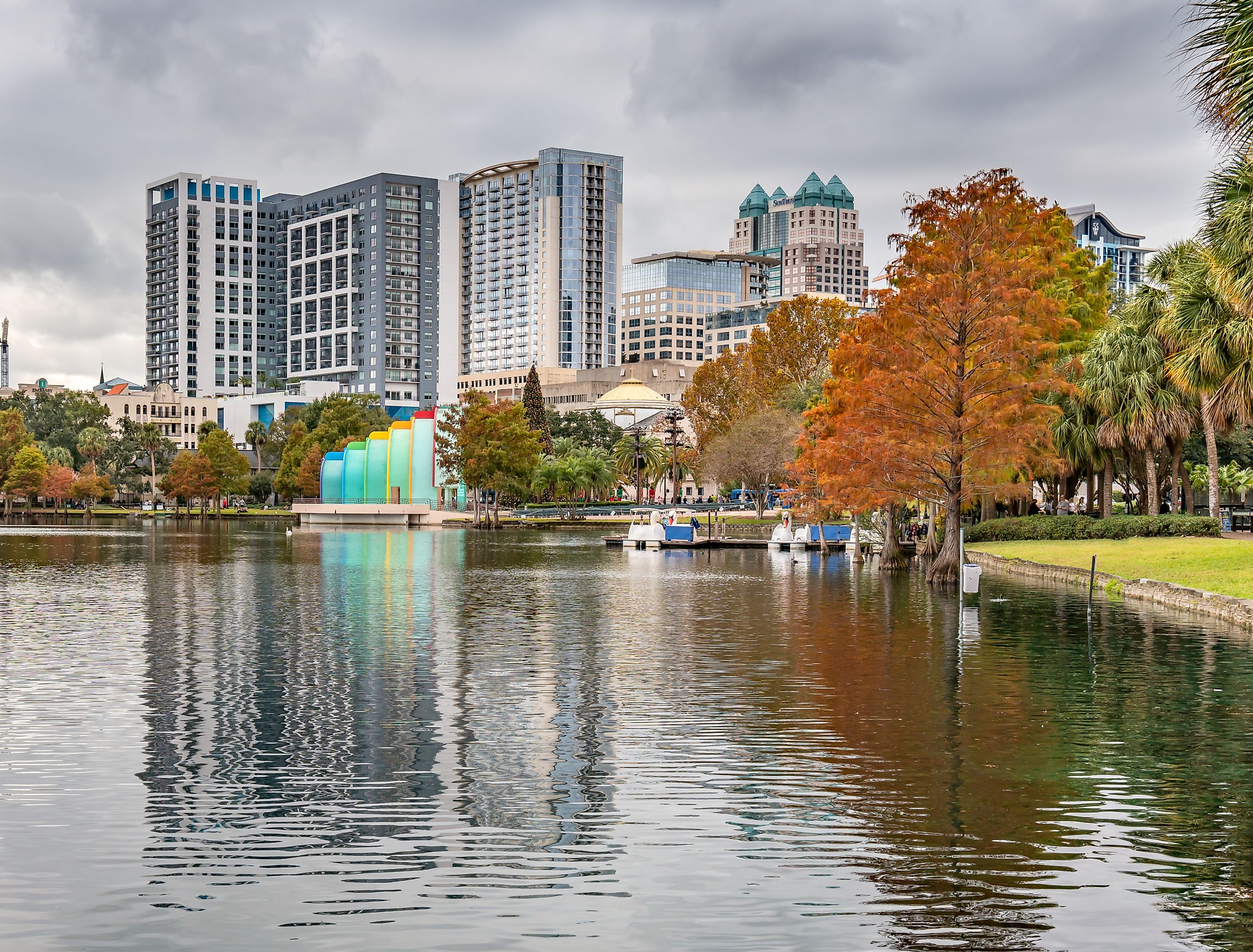
Florida’s housing landscape is a vibrant tapestry woven from a rich history and a unique climate, resulting in a fascinating array of architectural styles. From the sun-drenched shores to the lush inland areas, each design tells a story of adaptation, cultural influence, and aesthetic preference. Understanding these diverse styles offers a deeper appreciation for the state’s built environment and the lifestyle it fosters.The Sunshine State’s warm weather and abundant sunshine have significantly influenced how homes are designed and constructed, prioritizing natural light, ventilation, and a seamless connection between indoor and outdoor spaces.
This has led to the prevalence of styles that embrace open living, robust materials, and a visual harmony with the surrounding tropical and subtropical environments.
Mediterranean Revival Homes
The Mediterranean Revival style is a quintessential element of Florida’s architectural heritage, evoking images of sun-drenched villas and timeless elegance. This style, which gained significant popularity in the early 20th century, draws inspiration from the architecture of Spain, Italy, and North Africa, perfectly suited to Florida’s climate and aesthetic. The most striking and recognizable feature is the extensive use of stucco exteriors, typically finished in warm, earthy tones such as cream, ochre, or terracotta.
This material not only provides a beautiful, textured surface but also reflects sunlight, helping to keep interiors cooler.Complementing the stucco is the ubiquitous red tile roof, often made of clay. These low-pitched, barrel-shaped tiles are not merely decorative; they offer excellent insulation and durability against the elements, including the intense sun and occasional heavy rains. Arched doorways and windows are another hallmark, lending a sense of grandeur and an inviting flow.
These arches can be simple or elaborate, often framing ornate wrought-iron gates or balconies. Wrought-iron accents are prevalent throughout Mediterranean Revival homes, appearing in decorative grilles, window coverings, balconies, and light fixtures, adding a touch of Old World craftsmanship and visual interest.The connection to the climate is further emphasized by features like courtyards, loggias, and covered patios, which provide shaded outdoor living spaces ideal for enjoying the balmy Florida weather.
These homes often incorporate decorative elements such as ornamental ironwork, colorful ceramic tiles, and lush landscaping, further enhancing their exotic appeal. The overall effect is one of enduring beauty and comfort, a style that feels both luxurious and perfectly at home in the Sunshine State’s tropical environment, offering a sense of escape and tranquility.
Mid-Century Modern Homes
Mid-Century Modern architecture, flourishing in Florida from the mid-1940s through the late 1960s, represents a significant departure from earlier, more ornate styles, embracing a philosophy of simplicity, functionality, and a deep connection to nature. These homes are characterized by their clean, unadorned lines, a stark contrast to the decorative embellishments of styles like Mediterranean Revival. The emphasis is on geometric shapes and a streamlined aesthetic that feels both modern and timeless.
Large expanses of glass, including floor-to-ceiling windows and sliding glass doors, are a defining feature, designed to blur the boundaries between indoor and outdoor living spaces.This deliberate integration with the natural environment is a core principle of Mid-Century Modern design. Homes were often situated on their lots to take advantage of natural light, airflow, and views of the surrounding landscape.
Open floor plans are another hallmark, promoting a sense of spaciousness and flexibility within the home. Walls are often minimized, allowing living, dining, and kitchen areas to flow into one another, creating an environment conducive to both family life and entertaining.The materials used in Mid-Century Modern homes often include natural elements like wood, stone, and concrete, frequently combined in innovative ways.
Flat or low-pitched roofs, often with deep overhangs, provide shade and contribute to the horizontal emphasis of the design. Carports, rather than enclosed garages, were also common, further enhancing the open feel. In Florida, these design principles translate into homes that are not only aesthetically pleasing but also highly functional for the climate. The large windows allow for cross-ventilation, reducing the need for air conditioning, and the open plans facilitate the enjoyment of the state’s pleasant weather through the extensive use of patios, lanais, and courtyards.
This style truly embodies a harmonious relationship between the built environment and the natural world.
Coastal Cottage Homes
The Coastal Cottage style embodies the quintessential relaxed and breezy lifestyle associated with Florida’s beachside communities. These homes are designed to feel light, airy, and inviting, perfectly capturing the essence of seaside living. A defining characteristic is their light and serene color palettes, often featuring whites, creams, soft blues, grays, and sandy beiges. These colors not only mimic the natural hues of the coast but also help to keep interiors cool and bright, reflecting the abundant sunlight.Breezy porches, verandas, and screened lanais are integral to the Coastal Cottage design, providing ample outdoor living space that encourages residents to embrace the coastal environment.
These spaces are perfect for enjoying morning coffee, evening breezes, or simply soaking in the ocean views. Clapboard siding, typically painted in those light, inviting colors, is a common exterior treatment, lending a charming, traditional feel. This siding choice is durable and adds a textural element that complements the natural surroundings.Nautical-inspired touches are subtly woven throughout the style, from hardware and lighting fixtures to decorative elements.
Think of brushed nickel or oil-rubbed bronze finishes, rope details, and perhaps the occasional ship’s wheel or anchor motif used sparingly as accents. The overall atmosphere fostered by the Coastal Cottage style is one of unpretentious comfort and relaxed elegance. These homes are designed for easy living, with an emphasis on natural light, ventilation, and a constant connection to the beauty of the beach and the sea.
They offer a welcoming retreat that feels both timeless and perfectly suited to the laid-back charm of Florida’s coastal towns.
Conch House Architecture vs. Contemporary Counterparts
Florida’s architectural evolution is perhaps best exemplified by comparing the historic Conch House architecture, particularly prominent in the Florida Keys, with its more contemporary residential counterparts. The Conch House, a vernacular style that emerged in the late 19th and early 20th centuries, is a testament to ingenious adaptation for tropical weather and resourcefulness. Structurally, these homes are typically elevated on wooden piers or stilts, a crucial design element to mitigate the impact of storm surges and allow for airflow beneath the dwelling, keeping it cooler.
This elevation also helps to prevent moisture buildup from the ground.The materials chosen for Conch Houses were largely dictated by availability and durability in a harsh, humid climate. Wood, often pine or cypress, was extensively used for framing, siding, and flooring. Wide, wraparound porches, known as “verandahs,” are a defining feature, providing shaded outdoor living space and acting as a buffer against direct sun and rain.
These porches are often screened to keep insects at bay while still allowing for natural ventilation. Large, operable windows, often louvered, were essential for maximizing cross-ventilation, a primary cooling strategy before widespread air conditioning. Steeply pitched metal roofs, typically galvanized tin, were used to shed heavy rainfall quickly and reflect sunlight.Contemporary Florida homes, while still acknowledging the importance of climate, often incorporate a wider range of structural considerations and material choices, influenced by modern building codes, technological advancements, and diverse aesthetic preferences.
While elevation remains a common practice in coastal areas, the structural systems are often more robust, utilizing reinforced concrete, steel, and advanced framing techniques to withstand higher wind loads. Stucco over concrete block construction is a prevalent choice for its durability, fire resistance, and thermal mass, often combined with impact-resistant windows and doors to meet stringent hurricane building codes.The integration of advanced HVAC systems, high-efficiency insulation, and energy-efficient windows allows for greater climate control, though the principle of natural ventilation is still valued, often through the use of ceiling fans and strategically placed operable windows.
While the wide porch remains a beloved feature, contemporary designs might also incorporate covered patios, screened enclosures with modern materials, and outdoor kitchens, expanding the concept of indoor-outdoor living. Material palettes are broader, including engineered wood, composite decking, and a wider array of roofing materials, including metal, asphalt shingles, and concrete tiles, all chosen for their performance and aesthetic appeal in the tropical environment.
The historical context of the Conch House, with its focus on passive cooling and resilience through simple, readily available materials, provides a foundational understanding for the practical adaptations seen in today’s Florida residences, which blend historical wisdom with modern innovation.
Exploring the Unique Environmental Factors Influencing Florida Homeownership

Florida’s allure as a premier destination for homeownership is undeniable, yet it is intricately tied to a distinct set of environmental factors that profoundly shape the experience of owning a residence. These elements, ranging from the pervasive humidity and the ever-present threat of tropical weather to the unique challenges posed by its coastal geography, necessitate a thoughtful and informed approach to property acquisition and maintenance.
You also will receive the benefits of visiting home houses today.
Understanding these influences is not merely an academic exercise; it is a practical imperative for safeguarding one’s investment and ensuring the long-term habitability and structural integrity of a Florida home.The state’s position within the subtropical zone dictates a lifestyle and a set of maintenance considerations that differ significantly from other regions. This includes proactive measures against the elements and an awareness of the specific vulnerabilities that arise from living in such a dynamic environment.
Impact of Humid Subtropical Climate on Property Maintenance
Florida’s consistently warm and humid subtropical climate presents a unique set of challenges for residential property maintenance, demanding vigilant attention to prevent common issues that can compromise the longevity and structural integrity of homes. The high levels of moisture in the air create an ideal breeding ground for mold and mildew, which can not only cause unsightly discoloration and unpleasant odors but also pose significant health risks to occupants.
This necessitates regular cleaning and the implementation of effective dehumidification strategies. Furthermore, the persistent humidity can accelerate the deterioration of building materials, including wood rot, paint peeling, and metal corrosion, requiring more frequent repainting, sealing, and inspections.Pest infestations are another significant concern directly linked to the climate. The warm, damp conditions are highly attractive to a variety of pests, including termites, ants, cockroaches, and mosquitoes.
Termites, in particular, can cause extensive structural damage if left unchecked, leading to costly repairs. Consequently, homeowners must adopt robust pest control measures, which often involve regular professional inspections and preventative treatments. Effective ventilation and moisture control systems are paramount in mitigating these climate-related issues. This includes ensuring proper airflow within the home through well-maintained HVAC systems, exhaust fans in bathrooms and kitchens, and potentially the installation of whole-house dehumidifiers.
Sealing air leaks, insulating attics and crawl spaces effectively, and ensuring proper drainage around the foundation are also crucial steps in preventing moisture buildup and its associated problems. Neglecting these aspects can lead to a cascade of issues, from compromised indoor air quality to weakened structural components, ultimately impacting the value and livability of the home.
The Critical Role of Flood Zone Designations in Florida Real Estate
Navigating the Florida real estate market requires a thorough understanding of flood zone designations, as these classifications, primarily determined by the Federal Emergency Management Agency (FEMA), have a profound and direct impact on property insurance requirements, building codes, and ultimately, the financial viability of homeownership. FEMA flood maps delineate areas at varying risk of flooding, ranging from low-risk zones to high-risk coastal and riverine areas.
Properties situated within designated flood zones, particularly those in Special Flood Hazard Areas (SFHAs), are subject to mandatory flood insurance requirements if the property is financed by a federally regulated or insured mortgage. This insurance is an additional cost that must be factored into the overall budget of homeownership, and premiums can vary significantly based on the flood zone designation and the elevation of the property.Beyond insurance, flood zone designations also influence building codes and development regulations.
Homes built or substantially improved in SFHAs must adhere to specific construction standards designed to mitigate flood damage. These codes often require elevating the lowest floor of a building above the Base Flood Elevation (BFE), which is the elevation to which floodwater is anticipated to rise during a 1% annual chance flood event. This elevation requirement can add considerable cost to new construction or major renovations.
Understanding these designations before purchasing a property is crucial for several reasons. It allows potential buyers to accurately assess the total cost of ownership, including insurance premiums and potential future renovation expenses. It also provides insight into the property’s susceptibility to flooding, enabling informed decisions about long-term risk and the need for potential mitigation measures. Ignoring flood zone information can lead to unexpected financial burdens and a property that is more vulnerable to the devastating effects of flooding.
Examine how beach houses for sale in florida can boost performance in your area.
Considerations for Saltwater Intrusion and Coastal Erosion
For homeowners situated near Florida’s extensive and captivating coastline, the persistent forces of saltwater intrusion and coastal erosion present unique and significant considerations that demand proactive management and long-term planning. Saltwater intrusion occurs when rising sea levels or storm surges push saline ocean water into freshwater aquifers, contaminating drinking water sources and impacting vegetation. Properties in close proximity to the coast are more susceptible to this phenomenon, which can necessitate expensive water treatment systems or the reliance on alternative water supplies.
The gradual encroachment of saltwater can also affect landscaping, leading to the demise of certain plant species that are not salt-tolerant.Coastal erosion, the natural process of the shoreline being worn away by wave action, tides, and currents, poses a direct threat to the structural integrity and stability of beachfront and near-coastal properties. Over time, erosion can diminish the size of the property’s lot, undermine foundations, and increase vulnerability to storm damage.
The dynamic nature of the coastline means that properties can lose significant amounts of land, potentially leading to costly interventions or, in extreme cases, making the property uninhabitable or unsalvageable.Potential mitigation strategies for both saltwater intrusion and coastal erosion are varied and often depend on the specific location and severity of the issue. For saltwater intrusion, options can include installing advanced water filtration systems, drilling deeper wells to access less contaminated water, or exploring municipal water connections if available.
For coastal erosion, homeowners might consider implementing soft engineering solutions like dune restoration and vegetation planting, which help stabilize the shoreline naturally. Hard engineering solutions, such as seawalls or revetments, can offer more immediate protection but are often expensive, can have environmental impacts, and may not be permitted in all areas. Long-term planning is essential, involving regular monitoring of erosion rates, understanding local building setback regulations, and potentially considering property elevation or even relocation as sea levels continue to rise.
Engaging with coastal engineers and local planning authorities is vital for developing effective and sustainable strategies to protect coastal Florida homes.
Advantages and Disadvantages of Homeowners Associations (HOAs)
Owning a home in a Florida community governed by a homeowners association (HOA) presents a distinct set of advantages and disadvantages that prospective buyers should carefully evaluate. HOAs are designed to maintain and enhance the quality of life and property values within a community through established rules and shared responsibilities. One of the primary advantages is access to shared amenities, which can include swimming pools, fitness centers, clubhouses, parks, and walking trails.
These facilities, often well-maintained, provide residents with recreational opportunities and a sense of community that might be unaffordable or impractical to replicate on an individual property. HOAs also enforce community rules, often referred to as covenants, conditions, and restrictions (CC&Rs), which aim to preserve the aesthetic appeal and overall harmony of the neighborhood. This can include regulations on landscaping, exterior home maintenance, and parking, ensuring a consistent and attractive appearance that can contribute to higher property values.However, these benefits come with financial obligations and potential drawbacks.
The most significant disadvantage is the mandatory payment of HOA fees. These fees cover the maintenance of common areas, amenities, and administrative costs, but they can increase over time and represent a substantial ongoing expense. Homeowners must also adhere to the HOA’s CC&Rs, which can be restrictive and limit personal choices regarding home modifications, landscaping, or even pet ownership. Disagreements with the HOA board or other residents over rule enforcement or fee allocation can lead to conflict and stress.
It is imperative for potential buyers to thoroughly review the HOA’s governing documents, understand the fee structure, and assess the association’s financial health and management practices before purchasing a home in an HOA community. The perceived value of the amenities and the desire for a well-maintained neighborhood must be weighed against the financial commitments and potential limitations on personal freedom.
Understanding the Varied Neighborhood Characteristics Across Florida
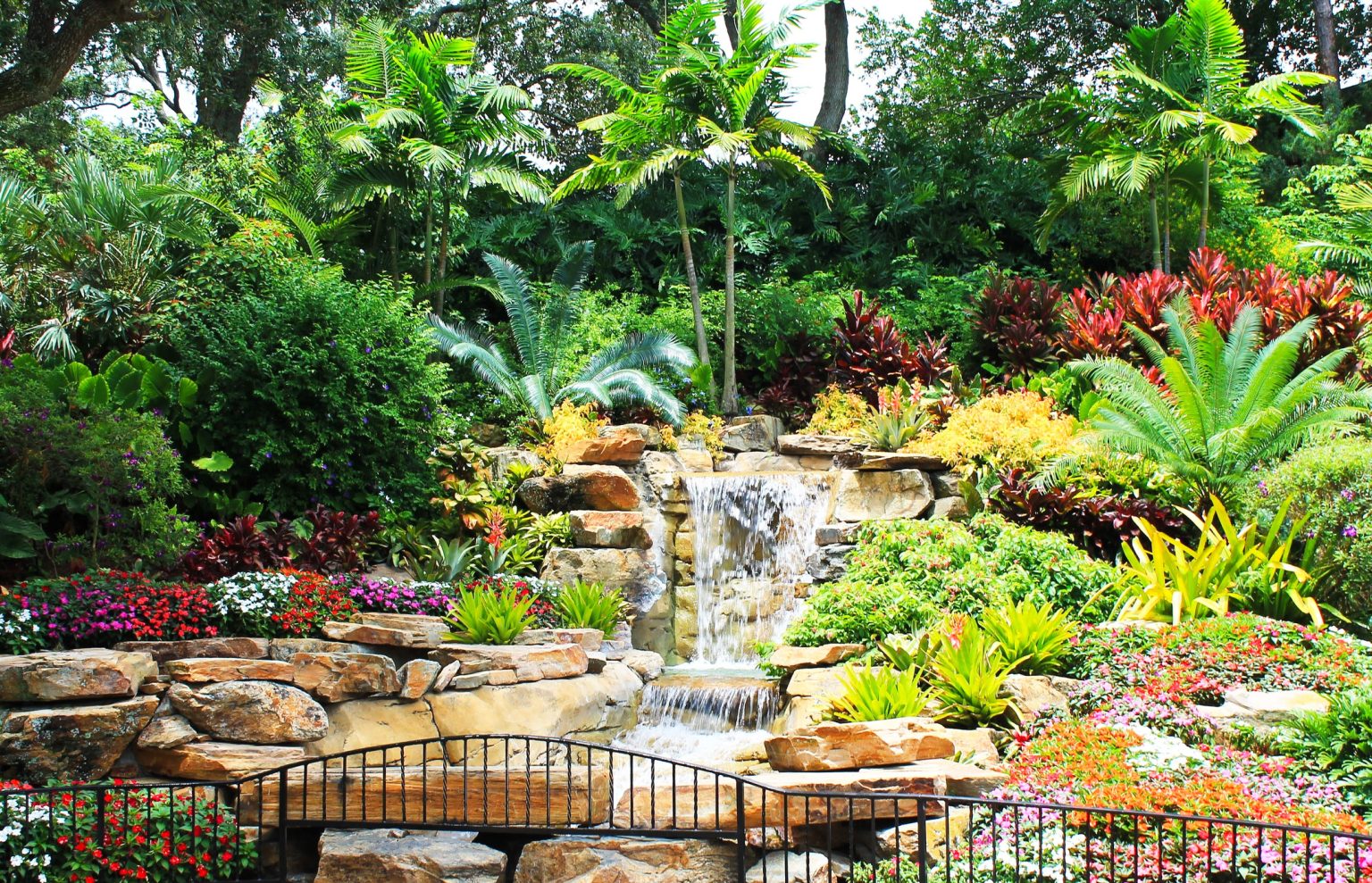
Florida’s diverse landscape is mirrored in its array of neighborhoods, each offering a distinct lifestyle and attracting specific demographics. From the vibrant energy of its major cities to the serene atmosphere of its small towns and specialized communities, understanding these variations is key to finding the perfect Florida home. This section delves into the unique characteristics of Florida’s neighborhoods, highlighting what makes each appealing to its residents.
Urban Centers and Suburban Communities, Florida homes
Florida’s bustling urban centers, such as Miami, Orlando, and Tampa, pulse with an undeniable energy, drawing in a diverse mix of young professionals, families, and international residents. These areas are characterized by a fast-paced lifestyle, a rich cultural tapestry, and an abundance of amenities. Daily life in a Florida city often involves navigating vibrant downtown districts, exploring world-class dining and entertainment options, and enjoying access to major employment hubs and extensive public transportation networks.
For instance, a typical weekday morning for a young professional in Miami might involve a quick commute to a tech company in Brickell, followed by lunch at a trendy eatery in Wynwood, and an evening spent at a rooftop bar overlooking the glittering cityscape. Families might find themselves enjoying weekend trips to theme parks in Orlando or exploring the cultural institutions and professional sports venues in Tampa.
The demographic here is often younger and more transient, with a strong emphasis on career growth and a dynamic social scene.In stark contrast, Florida’s suburban communities offer a more tranquil and family-oriented environment. These areas, often located just a short drive from urban cores, prioritize a slower pace of life, larger homes with yards, and a strong sense of community.
Daily life in a Florida suburb typically revolves around school runs, local parks, community pools, and neighborhood gatherings. A family living in a suburb near Fort Lauderdale might spend their afternoons at the local community center, their evenings barbecuing in their backyard, and their weekends exploring nearby nature trails or attending local farmers’ markets. The resident demographic in these areas tends to be more established families, individuals seeking a quieter lifestyle, and those prioritizing space and a family-friendly atmosphere.
While career opportunities might be less concentrated than in the cities, the quality of life, affordability of housing, and access to excellent schools often make suburbs highly desirable.
Retirement Communities
Florida has long been a favored destination for retirees, and its dedicated retirement communities are a testament to this enduring appeal. These age-restricted enclaves are meticulously designed to cater to the specific needs and desires of individuals aged 55 and older, offering a lifestyle focused on comfort, convenience, and social engagement. The appeal of these communities lies in their comprehensive amenities, which often include beautifully maintained golf courses, sparkling swimming pools, state-of-the-art fitness centers, and diverse recreational facilities like tennis courts and shuffleboard.
Social activities are a cornerstone, with residents enjoying a packed calendar of events ranging from organized card games and book clubs to live music performances, educational workshops, and group excursions to local attractions. Many communities also provide specialized services such as on-site healthcare clinics, transportation services for appointments and shopping, and even concierge services to assist with daily tasks.For individuals considering a move to these age-restricted enclaves, several factors warrant careful consideration.
The primary consideration is often the lifestyle fit; these communities are geared towards active seniors who enjoy a structured social environment. Prospective residents should assess the level of social activity and the types of amenities offered to ensure they align with their personal interests and preferences. Financial planning is also crucial, as these communities often involve significant upfront costs, such as buy-in fees, alongside monthly maintenance fees that cover amenities and services.
It is essential to understand the fee structure and what is included. Furthermore, proximity to family, healthcare providers, and essential services outside the community should be evaluated. While these communities offer a supportive and engaging environment, maintaining connections with the broader community and having access to external resources remains important for overall well-being. Examples of highly sought-after retirement communities include The Villages, known for its vast scale and extensive amenities, and smaller, more intimate enclaves like Valencia Shores or Kings Point, each offering a unique blend of facilities and social programming.
Charming Small Towns
Florida’s charming small towns offer a refreshing alternative to the hustle and bustle of its larger cities, providing a unique blend of nostalgic appeal, strong community bonds, and a slower pace of life. These towns are often characterized by their picturesque main streets, historic architecture, and a palpable sense of local pride. The economic drivers here are typically rooted in local entrepreneurship and tourism, with unique boutiques, antique shops, artisanal bakeries, and family-owned restaurants forming the backbone of the local economy.
For instance, a town like Mount Dora, with its vibrant arts scene and antique shops, or Tarpon Springs, with its Greek heritage and sponge diving history, exemplify the distinct economic and cultural identities of these locales. Community events play a pivotal role in fostering a strong sense of belonging, with regular farmers’ markets, art festivals, holiday parades, and local sporting events bringing residents together.The slower pace of life is a significant draw for buyers seeking a more relaxed and connected living experience.
Here, neighbors know each other, community involvement is encouraged, and the emphasis is on quality of life over constant activity. Daily life might involve a leisurely stroll down Main Street, chatting with local shop owners, enjoying coffee at a beloved cafe, or participating in a town hall meeting. This environment is particularly attractive to individuals and families looking to escape the anonymity and stress of urban living, as well as retirees seeking a peaceful and friendly place to settle down.
The affordability of housing, often more accessible than in major metropolitan areas, further enhances their desirability. These small towns foster a sense of tradition and continuity, making them ideal for those who value a strong community fabric and a more grounded way of life. The charm is not just in the aesthetics but in the enduring spirit of community and the personalized experience of living within a close-knit network.
Waterfront Living Options
Florida’s extensive coastline and numerous inland waterways present a diverse range of waterfront living options, each offering unique benefits and challenges. Properties along the Atlantic Ocean provide direct access to the open sea, appealing to those who love deep-sea fishing, surfing, and the dramatic beauty of crashing waves. The benefits include unparalleled ocean views, the invigorating salty air, and the convenience of stepping onto the beach from your doorstep.
However, these homes are also subject to the full force of coastal storms and hurricanes, requiring robust construction and often higher insurance premiums. The constant ebb and flow of the tides and the potential for erosion are also factors to consider.In contrast, properties on the Gulf of Mexico offer calmer waters, known for their pristine white-sand beaches and stunning sunsets.
This side of Florida is ideal for swimming, paddleboarding, and enjoying a more serene beach experience. The Gulf coast is generally less exposed to severe storms than the Atlantic side, though still susceptible. Waterfront living here often means access to tranquil bays and protected coves, providing a more sheltered environment for boating and water sports. The economic drivers for these areas are heavily influenced by tourism and a thriving real estate market, attracting a mix of permanent residents and vacation homeowners.Inland lakes and canals provide yet another distinct waterfront living experience.
These properties offer private docks for boats, direct access to freshwater fishing, and a more secluded, often lush, natural setting. Living on a lake or canal can provide a peaceful retreat, with opportunities for kayaking, waterskiing, and enjoying the diverse wildlife that inhabits these areas. The benefits include a sense of privacy and a connection to nature, often with less exposure to the harshness of the open ocean.
However, challenges can include potential issues with water quality, boat traffic noise, and the need for regular maintenance of docks and seawalls. Regardless of the specific type of water access, waterfront living in Florida generally commands a premium price due to its inherent desirability, offering a lifestyle that is deeply intertwined with the state’s abundant aquatic resources.
Essential Preparations for Maintaining a Florida Residence
Florida’s unique climate and environmental conditions necessitate a proactive approach to home maintenance. Ensuring your residence is well-maintained not only preserves its value but also protects it from potential damage and enhances its livability, especially during periods of extreme weather. This section delves into crucial preparations covering essential systems, seasonal challenges, and routine care that every Florida homeowner should prioritize.
Air Conditioning System Maintenance
Regular air conditioning maintenance is not merely a suggestion but a critical necessity for Florida homes, given the relentless heat and pervasive humidity. The AC system is the heart of a comfortable living environment, and its proper functioning directly impacts energy consumption, indoor air quality, and the longevity of the unit itself. Common issues that arise from neglected maintenance include refrigerant leaks, which reduce cooling efficiency and can lead to compressor failure; clogged air filters, restricting airflow and forcing the system to work harder, thus increasing energy bills and potentially causing the evaporator coil to freeze; and worn-out electrical components or fan motors, which can result in sudden breakdowns, often during the hottest parts of the year.Recommended service schedules typically involve a professional tune-up at least once a year, ideally in the spring before the peak cooling season begins.
During these check-ups, technicians will clean coils, check refrigerant levels, inspect electrical connections, lubricate moving parts, and test overall system performance. Homeowners should also commit to changing or cleaning air filters every one to three months, depending on filter type and household conditions, such as the presence of pets or allergies. Investing in energy-efficient systems, such as those with a high SEER (Seasonal Energy Efficiency Ratio) rating, can significantly combat the state’s heat and humidity by providing more effective cooling with less energy consumption.
These advanced systems often feature variable-speed compressors and fans that adjust output based on demand, leading to more consistent temperatures and substantial savings on utility bills. Furthermore, well-maintained AC units contribute to better indoor air quality by efficiently removing moisture, thus inhibiting the growth of mold and mildew, which are prevalent concerns in Florida’s climate. The long-term benefits of consistent AC maintenance far outweigh the costs, preventing costly emergency repairs and ensuring a comfortable and healthy living space year-round.
Hurricane Season Property Preparedness
Preparing a Florida residence for hurricane season is an essential undertaking that requires a multi-faceted approach, focusing on reinforcing the property against high winds, heavy rainfall, and potential flooding. Proactive measures taken well in advance of any storm threat can significantly mitigate damage and ensure the safety of occupants. A thorough roof inspection is paramount, as wind can lift shingles, allowing water intrusion.
You also will receive the benefits of visiting Cheap Mobile Homes for Sale in Palm Beach County today.
Homeowners should look for loose or missing shingles, damaged flashing, and any signs of wear. Securing the roof by ensuring proper nailing patterns and considering impact-resistant roofing materials can offer superior protection.Window and door reinforcements are equally critical. Many homes opt for impact-resistant windows and doors, which are designed to withstand projectile impacts from wind-borne debris. Alternatively, homeowners can install hurricane shutters, which can be made of metal, polycarbonate, or fabric, and should be tested for proper installation and fit.
During an inspection, check for any signs of wear or damage on frames and seals. Landscaping adjustments play a vital role in reducing wind resistance and the risk of falling trees or branches. This involves trimming trees and shrubs, removing dead or weak limbs, and securing outdoor furniture and other items that could become projectiles. Consider planting hurricane-resistant trees and vegetation in strategic locations.The creation of emergency kits is a non-negotiable aspect of hurricane preparedness.
These kits should be readily accessible and contain essentials for at least 72 hours, including non-perishable food, water, a first-aid kit, flashlights, batteries, medications, a battery-powered or hand-crank radio, sanitation supplies, and copies of important documents. Homeowners should also develop a family communication plan and identify evacuation routes. Understanding your home’s elevation and flood zone is crucial for assessing flood risk and making informed decisions about evacuation or necessary floodproofing measures.
Effective Pest Control in Florida’s Tropical Environment
Florida’s warm and humid tropical environment creates an ideal breeding ground for a wide array of pests, making effective pest control a continuous necessity for residential properties. Common invaders that homeowners frequently encounter include termites, which can cause significant structural damage by consuming wood; ants, which can infiltrate homes in search of food and water, leading to nuisance infestations; and mosquitoes, which are not only a significant nuisance but also vectors for diseases like West Nile virus and Zika.Preventative treatments are the first line of defense.
For termites, this often involves establishing a perimeter barrier of insecticide around the foundation of the home. Regular inspections by a pest control professional are recommended, especially for older homes or those in high-risk areas. Sealing cracks and crevices in the home’s exterior, both at the foundation and along utility entry points, can prevent ants and other crawling insects from gaining access.
Eliminating standing water around the property is crucial for mosquito control, as these insects breed in even small amounts of stagnant water. This includes emptying bird baths, unclogging gutters, and ensuring proper drainage in yards. Storing firewood away from the house and keeping outdoor trash cans sealed can also deter pests.Reactive treatments are employed when infestations are already present. For ants, this might involve using baiting systems that the ants carry back to their colony, effectively eliminating the source.
For more severe termite infestations, professionals may recommend tenting the house for fumigation or using localized treatments like liquid termiticides or bait stations. Mosquito control can involve the application of larvicides in water sources that cannot be eliminated, or the use of adulticides to reduce the mosquito population during peak biting times. Homeowners can also utilize screens on windows and doors to keep insects out, and consider installing fans on patios to disrupt mosquito flight patterns.
A comprehensive pest management plan that combines preventative measures with timely and appropriate reactive treatments is key to maintaining a pest-free Florida residence.
Routine Exterior Maintenance Checklist
Maintaining the exterior of a Florida home is vital for preserving its aesthetic appeal, preventing costly damage, and ultimately safeguarding its property value. The unique environmental factors, such as intense sun, heavy rainfall, and salty air near the coast, accelerate wear and tear on external surfaces. A consistent routine of exterior maintenance tasks addresses these challenges proactively.A crucial task is gutter cleaning, which should be performed at least twice a year, or more frequently if the home is surrounded by mature trees.
Clogged gutters can lead to water pooling around the foundation, causing structural damage, or overflowing and damaging soffits and fascia. Pressure washing is another important activity, typically recommended annually or biennially. This process removes accumulated dirt, mold, mildew, and algae from siding, driveways, walkways, and decks. Over time, these growths can not only detract from the home’s appearance but also create slippery surfaces and degrade building materials.Fence upkeep is also essential.
Wooden fences require periodic cleaning, staining, or sealing to protect them from moisture and UV damage. Metal fences should be inspected for rust and treated accordingly. Driveway sealing, usually done every two to five years depending on the material, protects asphalt or concrete from oil stains, cracks, and the damaging effects of weather. This prevents water penetration and freeze-thaw cycles (though less common in South Florida, still a factor in northern parts) and maintains the driveway’s structural integrity.
Other tasks include inspecting and sealing any visible cracks in stucco or siding, cleaning and sealing outdoor living spaces like patios and lanais, and ensuring proper drainage around the property. Regularly checking and cleaning exterior light fixtures and ensuring window screens are intact also contribute to the overall upkeep and protection of the home. These regular activities collectively contribute to a well-preserved Florida residence, preventing minor issues from escalating into major, expensive repairs and enhancing curb appeal.
Final Conclusion
In conclusion, the journey through Florida homes reveals a captivating blend of architectural diversity, financial prudence, and environmental awareness. Whether you are drawn to the timeless elegance of Mediterranean Revival, the modern simplicity of Mid-Century designs, or the relaxed charm of Coastal Cottages, understanding the financial landscape and environmental nuances is key to a successful homeownership experience. By preparing for hurricane seasons, managing pest control, and maintaining the exterior, residents can ensure the longevity and value of their Florida abode.
Ultimately, owning a Florida home offers a unique lifestyle, shaped by its distinct communities and breathtaking natural surroundings, making it a truly rewarding endeavor.
Detailed FAQs: Florida Homes
What are the average closing costs for a home in Florida?
Closing costs in Florida typically range from 2% to 5% of the loan amount, encompassing expenses like title insurance, appraisal fees, lender fees, recording fees, and intangible taxes.
How does the homestead exemption affect property taxes in Florida?
The Florida homestead exemption allows primary residents to exempt up to $50,000 of their home’s assessed value from property taxes, with the first $25,000 fully exempt and the next $25,000 exempt if the home’s assessed value is $75,000 or more.
Is flood insurance mandatory for all Florida homeowners?
Flood insurance is not federally mandated for all properties, but it is typically required by lenders if the property is located in a designated flood zone (Special Flood Hazard Area).
What are the most common architectural styles in Florida?
Some of the most prevalent architectural styles in Florida include Mediterranean Revival, Mid-Century Modern, Coastal Cottage, and Conch House, each reflecting the state’s history, climate, and lifestyle.
What is the typical duration for mortgage pre-approval in Florida?
Mortgage pre-approval in Florida can take anywhere from a few hours to a few business days, depending on the lender and the completeness of the documentation provided by the borrower.